
A North Korean Refugee’s Daring Escape By Boat | Gyuri Kang’s Story
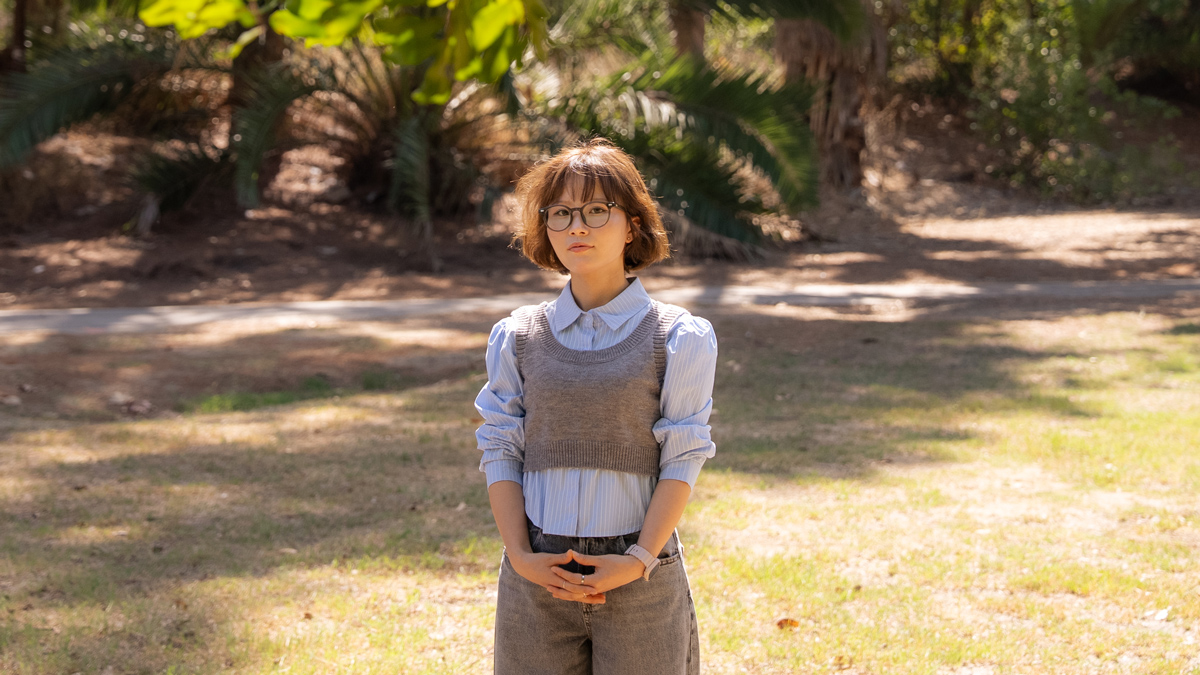
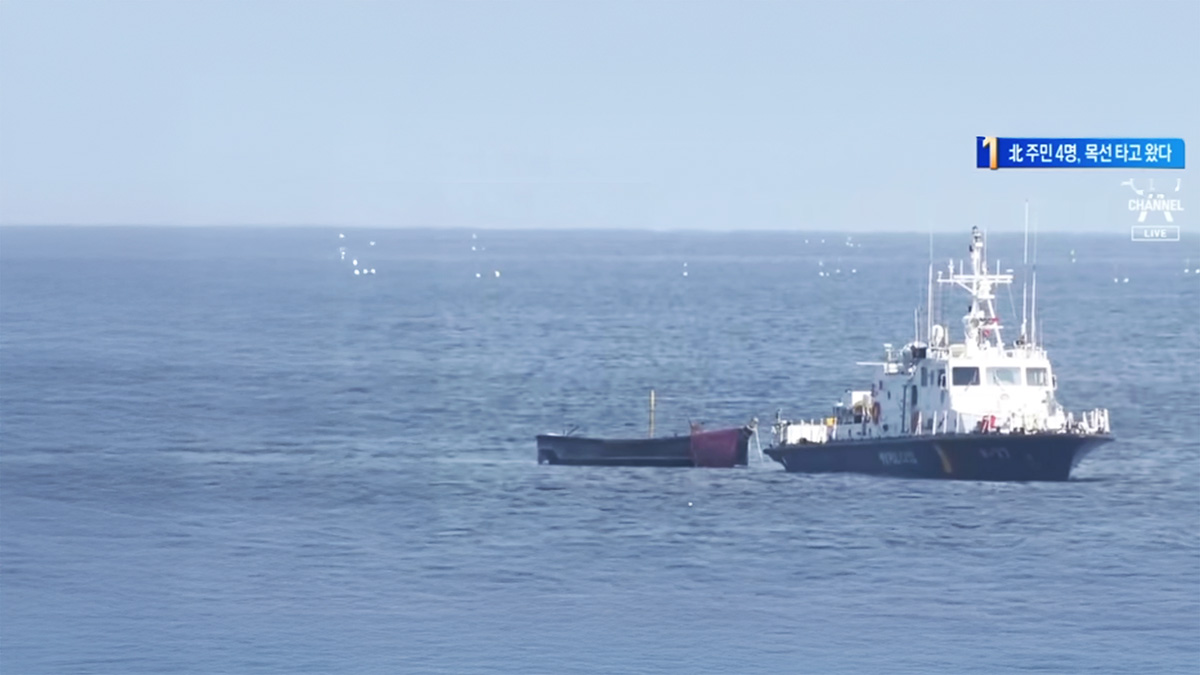
Escaping from inside North Korea remains almost impossible today. Borders remain sealed by the legacy of pandemic-era restrictions, while surveillance in China continues to intensify. But in 2023, a group of North Koreans crossed into South Korean waters on a small fishing boat—a rare and extraordinary way to reach freedom. Abroad the vessel was 22-year-old Gyuri Kang with her mother and aunt.
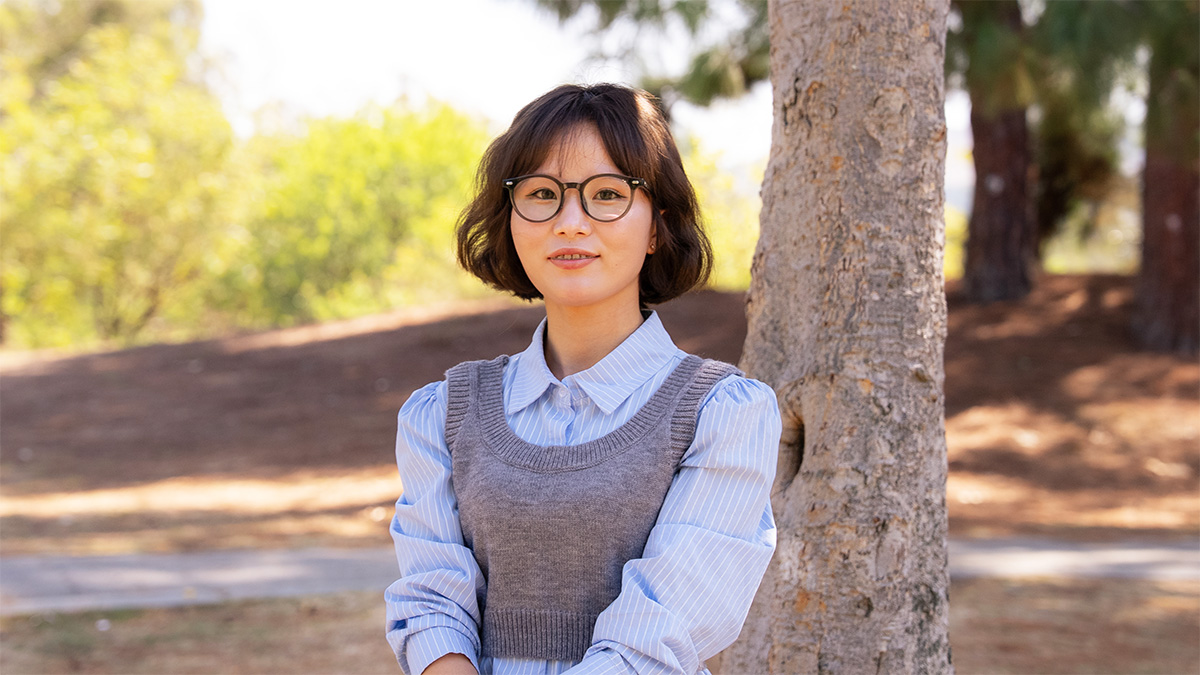
You were never supposed to know my name, see my face, or hear my story. Because I was one of 26 million lives hidden inside North Korea.
I was born in the North Korean capital, Pyongyang. The first time the government decided my future without my consent, I was only a child. My family was exiled to a rural fishing village because of my grandmother’s religion.
In the system we were living in, not even your beliefs or thoughts are truly your own.
On my way to school, youth league officers would inspect my clothes and belongings, punishing me for even a hairpin or a skirt that was a few centimeters too short. At school, we were taught that “we live in the most dignified nation in the world,” but outside those walls, people were collapsing from hunger in the streets.
Careless words overheard by a neighbor could turn into a knock at the door in the middle of the night. The radio played government broadcasts all day long, and searching other frequencies was a risk no one dared to take. This is how the North Korean government maintains control over people. By convincing you that survival depends on submission.

I returned to Pyongyang as an adult. I majored in table tennis at the Pyongyang University of Physical Education and imagined myself making a new life, built on talent and hard work.
But reality was nothing like what I had dreamed. I came to understand a deep, painful truth: In the end, everything was determined by how well you obeyed, not how hard you worked.
Frustration and emptiness built up until I finally decided to leave Pyongyang.
I wanted to help support my mother and aunt, so I moved to the coast to try and build a life of my own. My mother used all of her hard-earned life savings to buy me a small wooden fishing boat so I could start a business harvesting clams.
That boat was more than a way to make a living. It was a daily reminder of her sacrifice, and the depth of their love and trust in me. If the money I earned with my own hands could put even one less wrinkle on her forehead, that was enough for me.
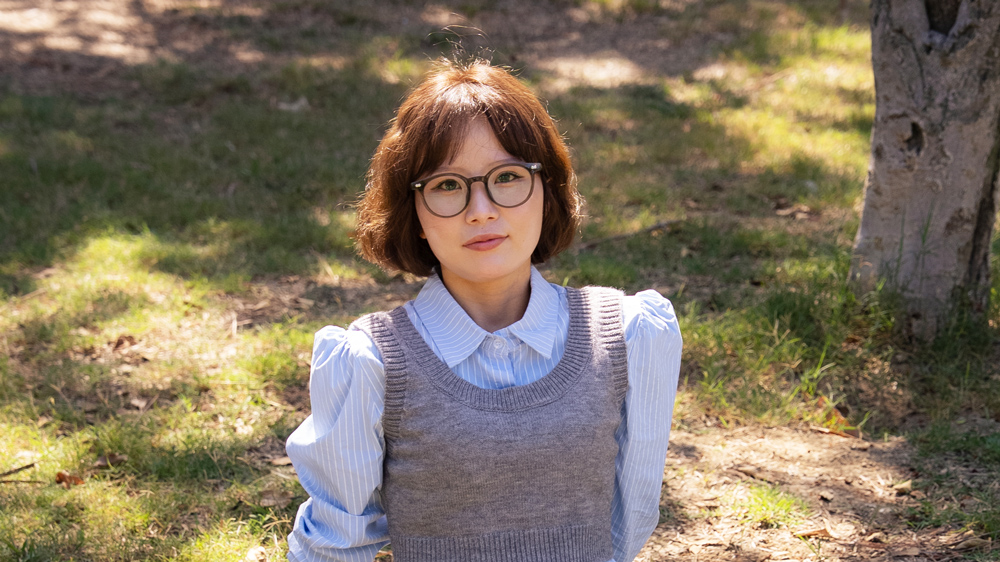
As a boatowner, I woke up early in the mornings to prepare supplies, get the crew together, and encourage them. I inspected the condition of the boat and hired people to help fix the engine and other faulty parts. Although I couldn’t go out to sea because I’m a woman, I was responsible for ensuring the ship operated smoothly.
But the harder I worked, the more government officials came to me—demanding baskets of clams and money. They justified their demands by saying: “The Party orders it,” threatening to punish anyone who refused. Every night I agonized over how to protect my people and keep my business going, and how I should respond. In those moments, I would remember the love and devotion my mother and aunt had poured into me and it gave me strength to persevere.
To escape my reality, at night I secretly watched South Korean TV shows on a television that was smuggled in from China.
My world turned upside down. With my friends who were also watching South Korean media, we would cautiously express our dissatisfaction together while also copying the hairstyles and outfits we saw in dramas. Sometimes, we would even try to mimic South Korean words or accents when talking or texting together.
But under Kim Jong Un, punishments became much more severe. Two people I knew were executed for watching and sharing foreign media. Our lives became harder, control over young people became more intense, and our resentment began to grow.
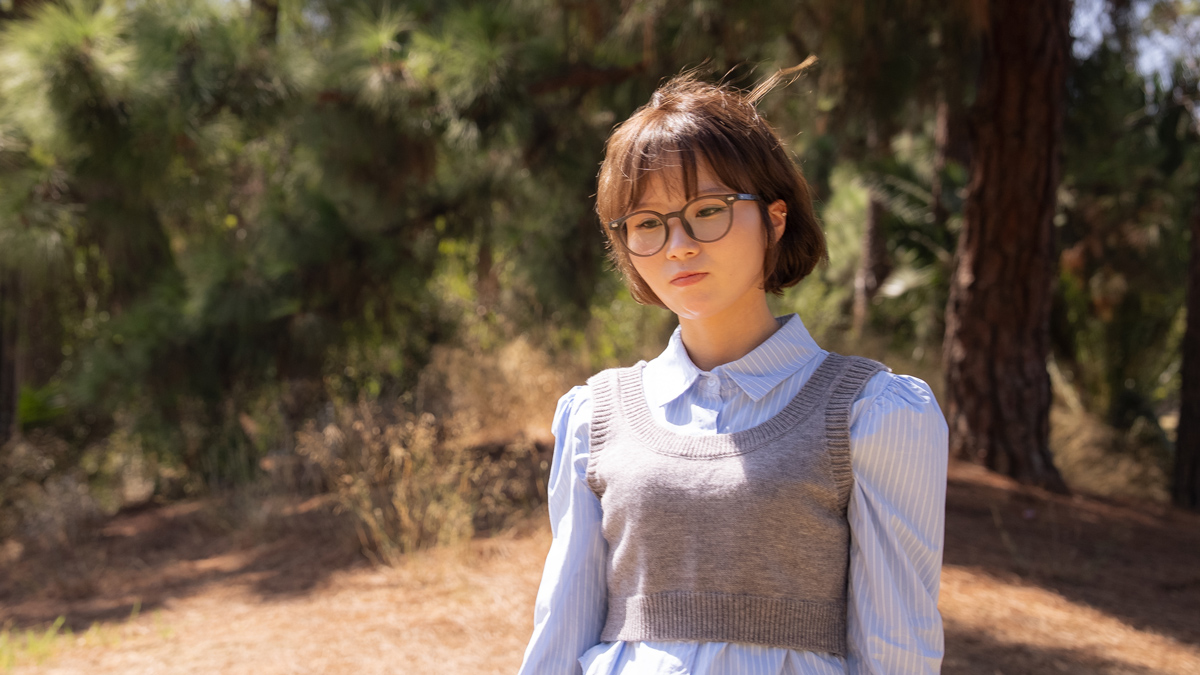
But no matter how much they tried to repress us, frustrated young people like me continued watching forbidden content as a way to forget reality. Foreign media has quietly found its way into North Korea for decades. As I grew up, it began spreading more than ever before, through USBs passed between friends or broadcasts picked up on illegal devices.
Many defectors, like me, can remember the exact episode of a TV show, a specific South Korean song, or even a traffic report, that planted the first seeds of doubt.
Of course, dramas and movies don’t tell the whole story, but they show a life that contradicts everything we were taught. And it makes you wonder: if life is so different out there, why does it have to be this way here?
I realized it doesn’t just show people that different lives exist. It gives them the belief that their life could be different. And that belief gives people the courage to choose a different future.
The thing about information is once you learn something, you cannot unlearn it. I remember watching people on my screen speak freely, laugh openly, and pursue their dreams—things that were unimaginable in North Korea. For the first time, I wondered if everything we were taught might be wrong. That doubt led to questions, and my curiosity became too strong to ignore. Now that I had seen the truth, I could never go back to the person I was before.
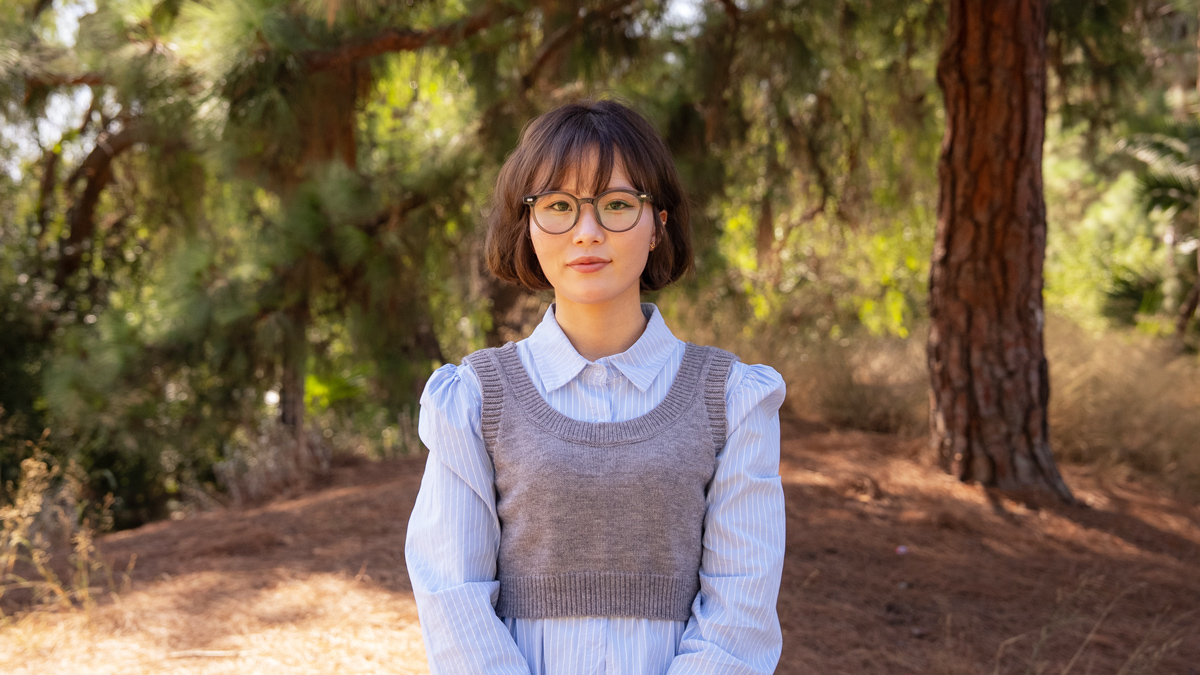
Escaping North Korea cannot be explained by the simple word “leaving.” This was especially true for me because I escaped together with my mom and my aunt. They had placed their trust in me when they gave me money for that boat. And now I was placing my trust in that boat to carry us across the sea to freedom.
I planned our escape in complete secrecy.
I bought a smuggled GPS device from China, carefully traced our route, observed the currents and tides, learned the patrol schedules of the guard boats, and figured out the blind spots of the coastal guard posts. I meticulously checked the condition of the boat and quietly prepared all the food and supplies we would need. I trained my body for the wind and the waves, and my mind for the terror of being caught.
Some nights I woke up in a panic. Other times my confidence crumbled and I thought, maybe I should give up and just accept the life I have. But in those moments, I imagined what waited at the end of the journey.
I wasn’t leaving just to stay alive. I was leaving so that I could live like a human being.
On the night we left, we climbed into my boat and pushed off into the dark water. I gripped the rudder and let the current carry us south, carefully navigating around the guard posts and patrol boats who were on the water looking for people like us.
I knew what would happen if we were caught. Arrest. Endless investigations. Humiliation. Public trials. Political prison camp. And the possibility that I might lose the people I loved most in the world.
My mother and aunt were trembling with fear. I had to hide my own fear to tell them what I could only hope. We will survive. We spent the night being tossed back and forth on the East Sea. Black waves lifted our boat like a toy before smashing it down again. Every crash sent water over the sides and threatened to swallow us up.
Suddenly, a patrol ship appeared. Its lights stabbed the water, blinding us, and started coming closer and closer. It was coming for us. My chest pounded so hard I felt it might burst. I thought of the sleeping pills we had brought.
We had agreed that if capture became inevitable, we would rather take our own lives. It was a fate we preferred to execution or prison camps. As the coast guard closed in, I wondered, is it time for the pills?
But I refused to give in. We were so close. I steered away from the searchlights, surrendered the boat to the churning water, and pushed on forward.
Suddenly, the patrol vessel stopped and turned back around. They could no longer chase us. We had reached the maritime border. The sea calmed, as if it was welcoming us to freedom. And as the sun rose, we saw the outline of land.
A South Korean fisherman, hearing radio reports that North Korean patrols were in pursuit, realized we were the boat being chased. He steered his boat toward us and said, "Welcome. You are safe now."
It’s been almost two years since we arrived in South Korea.
I still remember moving into our apartment and using a showerhead for the first time, experiencing hot water flowing straight from the tap. I couldn’t believe it. That day, my mother, my aunt and I took turns showering, laughing, and saying to each other, “So this is what a human life feels like.”
For the first time in my life, I could choose my studies, my job, my clothes, my hobbies—even the way I spoke—for myself. It felt like an entirely new world. We were being reborn, leaving behind a past of silence and control for a life with dignity and a future we could choose ourselves.
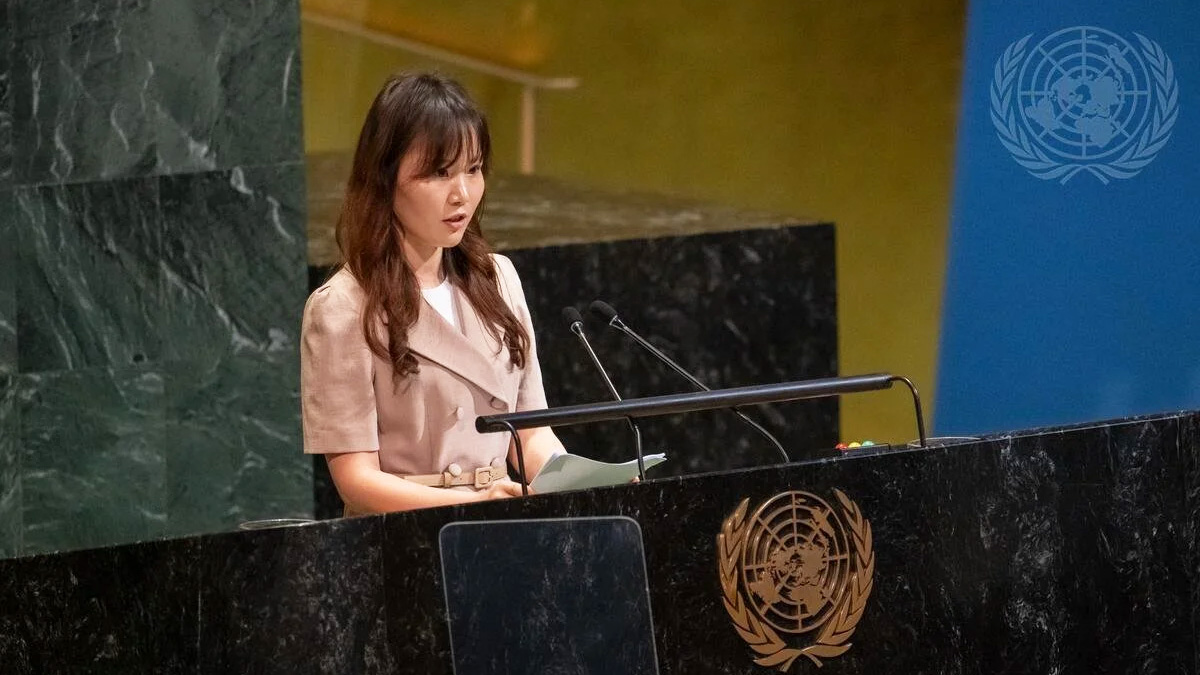
My mother began studying for a professional certification. And my aunt enrolled in social welfare classes to help others. I studied hard and was recently accepted into Ewha University. I have also been active in North Korean human rights activism and I even started a YouTube channel to show the world what it looks like to start a new life in South Korea.
Hope is dangerous for the North Korean government. Millions of people live with anger and sadness, but even more live in resignation. Most do not realize their rights are being violated—they don’t know what “rights” are. I once believed it was normal for the state to control every part of our lives. I thought every country lived this way.
But the moment you realize life could be different, hope begins to take root. And once hope exists, change is no longer unimaginable.
My dream is that someday North Korea will be a place where young people choose their own paths, where no one is punished for their words, and where every person lives as the true owner of their life. While so much of North Korea’s reality is dark, change is already happening. And what sparks that change is information. A single truth from the outside world, a glimpse of what life could be, can plant a seed of doubt, or ignite a spark of hope.
That’s why I speak out. If I don’t tell my story, who will tell it for me? If I stay silent, will the death of my friends, and the suffering and starvation my family endured be forgotten?
Right now, in North Korea, there is someone just like me—sitting in a dark room, secretly watching a South Korean broadcast, quietly wondering: Could I also live like that?
I want my story to prove that this hope can become a reality. I want to stand in the middle of that change. Not just as someone who escaped to enjoy freedom, but as someone determined to one day share that freedom with all North Korean people.
Freedom is not given, but it is something we can achieve. With your support, we can write a future where all North Korean people are free.
Foreign media gave Gyuri a glimpse of the outside world—and the courage to seek freedom.
Increasing North Korean people’s access to outside information is one of the most effective levers for change in the country. And that is exactly what we’re doing at Liberty in North Korea
In partnership with North Korean defectors and engineers, LiNK develops tailor-made technology, tools, and content that help people inside the country access more information more safely. These glimpses into the wider world build people’s resilience to the regime’s propaganda, and emboldens them to imagine a different future for themselves and their country.
Help fuel work that’s directly supporting North Koreans driving change on the inside.
Give Today
North Korean Fellows in the United States: Meet the Class of 2025
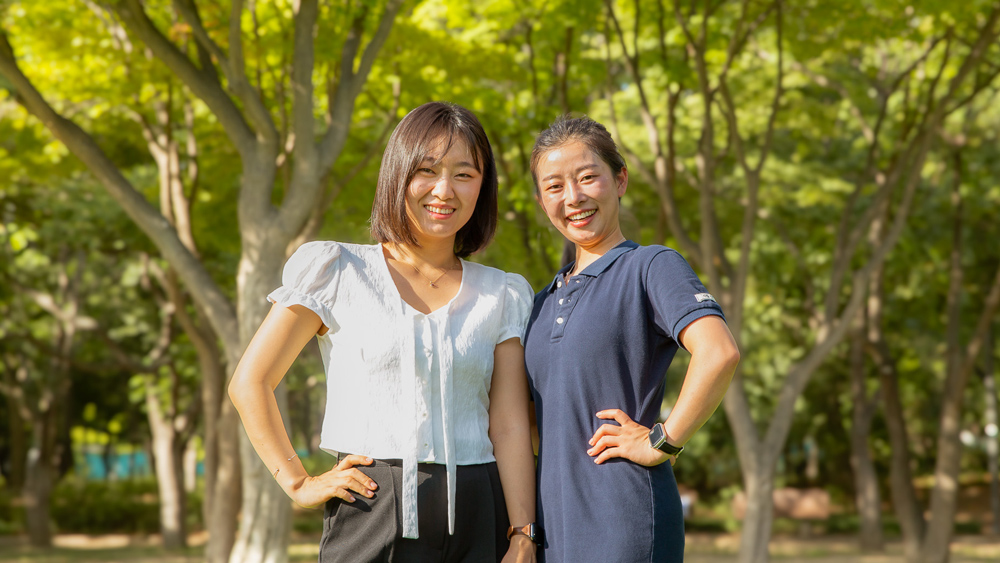
Please join us in welcoming Hannah and Rose, LiNK’s 2025 Advocacy Fellows!
The Advocacy Fellows program partners with young North Korean defectors to build their skills as effective leaders, storytellers, and agents of change for this issue. Hannah and Rose spent the last month training and preparing with our team in South Korea, and will now be traveling across the US to share their stories!
Join us at a Fellows speaking event near you!
Dallas, TX
September 9th, 6pm
Southern Methodist University | Dallas Hall Room 306 (McCord Auditorium)
3225 University Blvd, Dallas TX 75205
RSVP Here
Guest parking information here
Waco, TX
September 11th, 6pm
Baylor University, Foster Campus | Room 240
1621 S 3rd St, Waco, TX 76706
RSVP Here
Parking: 1521 S Fourth St. Waco,TX 76706 (Google maps or Apple Maps)
Madison, WI
September 16th, 12pm
UW-Madison | Lubar Commons (Room 7200)
975 Bascom Mall, Madison, WI 53706
RSVP here
Evanston, IL
September 20th, 5pm
Northwestern University | Harris Hall 107
1881 Sheridan Rd, Evanston, IL 60201
RSVP Here
Palo Alto, CA
September 28th, 1:20pm
True North Church
655 Arastradero Road, Palo Alto, CA 94306
RSVP Here
Berkeley, CA
September 29th, 6pm
UC Berkeley | Stephens Lounge at the MLK Student Union
2495 Bancroft Way, Berkeley, CA 94720
Parking: Lower Sproul Garage
RSVP Here
Washington, D.C.
October 8th, 1pm ET
The Stimson Center
1211 Connecticut Avenue Northwest Washington, DC 20036
RSVP Here
*Online livestream also available: RSVP Here
Washington, D.C
October 9th, 10:30am
ET Hudson Institute
1201 Pennsylvania Ave N.W. Suite 400 Washington, DC 20004
RSVP Here
Philadelphia, PA
October 13th, 5:30pm
University of Pennsylvania
3401 Walnut Street, Philadelphia, PA 19104
RSVP Here
New York, NY
October 16th, 2025, 12 PM
The Korea Society
350 Madison Avenue, 24th Floor
New York, NY 10017
RSVP here
Los Angeles, CA
October 21st, 7:30pm
UCLA
Haines Hall Room A2 Portola Plaza, Los Angeles, CA 90095
Parking available in UCLA Parking Structure 2
RSVP here
Additional details and timely updates will be sent to RSVP’ed guests via email.

Hannah is a 4th year student at Hongik University studying Electrical and Electronic Engineering. While participating in LiNK’s Changemaker Scholarship Program, she worked on developing devices and strategies that increase information access for people inside North Korea. Her goal as an Advocacy Fellow is to grow as a leader and communicator, and facilitate more collaborative work on this issue.
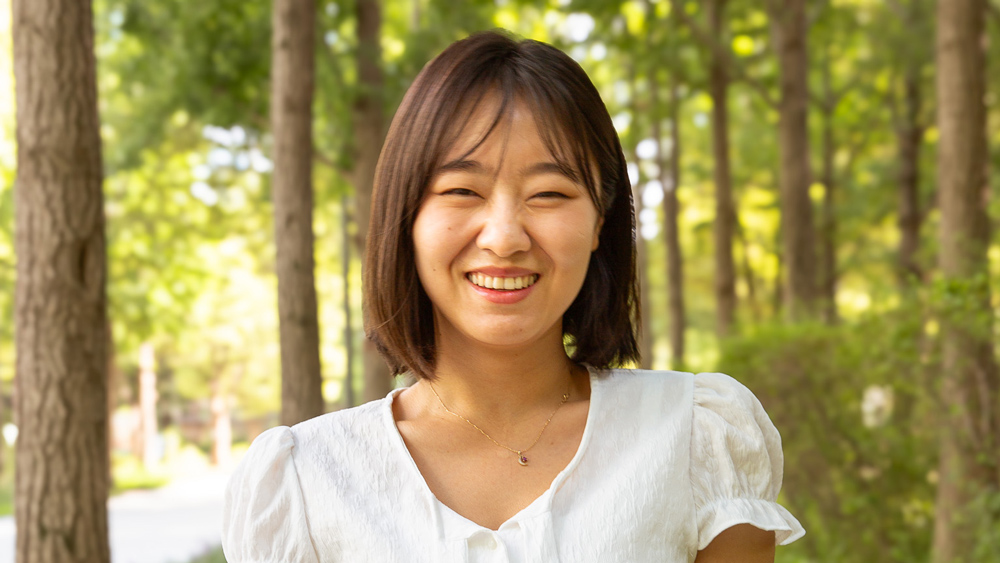
Rose graduated from Hongik University’s Department of Architecture. For her final project, she designed a memorial to honor North Korean human rights and provide comfort to defectors who had to leave their homeland. She drew inspiration from the Holocaust and 9/11 Memorials in the US, and was deeply moved by how such spaces contribute to healing and progress. As an Advocacy Fellow, Rose hopes to continue finding her identity and increase interest in this issue.


