
North Korean Defector Economist: How We Analyze North Korea Needs to Change
By: HyeGyeong Joo
HyeGyeong is a PhD student in the Department of Economics at Korea University, specializing in theoretical economics. Her research looks at developing theoretical models of the North Korean economy. Since 2022, HyeGyeong has also participated in LiNK’s English Language Program.
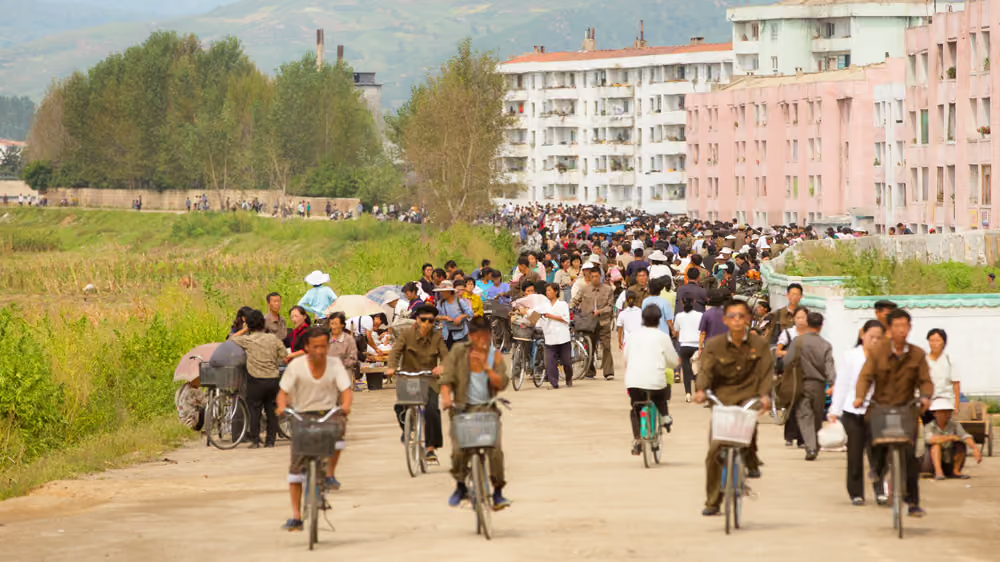
When I think about my past, I often feel a great sense of loss and sorrow for the people I left behind in North Korea. As a PhD student studying North Korean economics here in South Korea, I feel a strong desire to use my research to help improve the lives of North Korean people. In many ways, helping those I left behind also gives meaning to my own journey.
Whenever I watch the news or read academic papers on North Korea, I feel saddened by the way North Korean people are discussed and represented. Over time, I have come to believe that the way we analyze North Korea needs to change.
I believe there is a fundamental limitation in existing research on the North Korean economy, as much of it has traditional socialist planned economy analysis. Earlier studies have suggested that North Korea would either collapse or undergo a system transition as other socialist countries have done. However, after the breakdown of the Public Distribution System (PDS) in the mid-1990s and the emergence of the shadow economy (including through the Jangmadang—illegal markets), these approaches began to reveal their limitations.
As a result, the North Korean economy came to be understood not as a simple planned economy, but as a mixed economy in which state control and market activities coexist. However, these studies do not sufficiently explain why the North Korean regime allows marketization to persist at a certain level instead of completely suppressing it.
In order to explain the interaction between the government and ordinary North Korean citizens, who are the primary actors in Jangmadang activities, I divide the North Korean system into three groups: the regime, the elites, and ordinary citizens.
In particular, elites are important economic actors because they function as intermediaries between the regime and the people. My argument is that this phenomenon can be better understood by analyzing how these three groups strategically interact with one another.
These three groups pursue their interests in different ways, and their goals also differ significantly. The leadership wants to continue dynastic rule and ensure stable succession, the elite seek to secure their positions and avoid political risks such as purges, and ordinary citizens primarily seek survival and improved living conditions.
The interests of these three groups sometimes conflict with one another and sometimes align. In my opinion, these three groups in North Korea are currently remaining in a state of equilibrium.
This equilibrium means that these three groups can achieve their maximum interests under the current conditions in North Korea. Precisely because of this equilibrium, North Korea has been able to maintain both regime stability and limited marketization simultaneously.
That is why I believe we must identify what kind of shocks could cause this equilibrium to collapse. If such a change were to occur, it could become a new turning point for North Korea.
A new turning point for North Korea could lead the country toward a new political and economic order. The important thing is that we must identify what kinds of shocks could trigger such a transformation.
I hope for a North Korea that has changed—a place where its people can live freely. For me, North Korea is not just a state; it is my hometown, where I was born and raised, and where my family still lives. This is precisely why I am committed to a different approach to the North Korean issue—because my only goal is to see genuine change in North Korea, and I truly want to help bring about that change.
I want my article to inspire you to see something different the next time you watch the news or media coverage about North Korea. The next time you come across a piece of media about North Korea, I hope you take a moment to think about the real North Korean people. And perhaps you may also reflect on this article and consider what kinds of shocks could transform the current equilibrium of North Korea.
I hope you will join me on this journey.
–
HyeGyeong is a participant of the LiNK English Language Program (LELP), which serves to not only help North Korean defectors build confidence and skills in English, but develop their capacity as advocates for this issue. To that end, we partnered with select LELP “columnists” to write and polish personal essays through multiple rounds of external feedback and revision. Our goal is to have more North Koreans share their stories directly and lead efforts to change the narrative.
We believe the North Korean people can achieve their liberty in our lifetime.
Opportunities like LELP invest in the people building that future now. Help more North Koreans find their voice, reach their goals, and lead change on this issue.
Give Today
5 Reasons Why Being a Field Coordinator Is Awesome
Being a field coordinator is a difficult, but incredibly rewarding job and we always come to treasure the unique and life-changing experiences we have during our time in the field. To give you some insight into what this job is like, here are the five best things about it.

Getting to know the refugees
This is by far the most amazing part of what we do. When refugees come under our care, we form strong bonds with them. Despite the vastly different stories and personalities, through our conversations, we see the common thread of remarkable perseverance and will to survive in each of the North Koreans we rescue. All of them have hopes for the future and many of the things we learn about our friends can be emotional, further strengthening our bond. We focus so much of our energy on providing food, clothes, shelter, time to rest for these refugees who have been through so much. When it comes time for them to leave, they do so with so much gratitude and strength. We believe getting to know them creates a strong relationship between the refugees and LiNK so that they feel comfortable reaching out for additional services after resettlement.

Seeing how refugees have changed post-resettlement
In Southeast Asia, the North Korean refugees we assist are still en route to their resettlement destination and are still not completely at peace. They are often nervous, anxious, and trying to process being in a world completely unfamiliar to them.
When we have the opportunity to travel to South Korea to meet with them once they have resettled, it’s always gives us a rush of anticipation because we get to see how they have changed. One particular memory we have from one of these trips is of visiting a noraebang (a Korean karaoke room) with resettled refugees. To watch them having fun was very moving. Sometimes, the simple fact that they look happy and safe is more than enough to make this job worth it.
Introducing refugees to the supporters who funded their rescues
The concept of a complete stranger donating several thousand dollars to a person in need they have never met is a completely foreign concept to many North Koreans. They are often astounded and moved that a person thousands of miles away would do something so selfless. With each refugee that comes through, we always make sure to introduce them to the person or group that helped fund their rescue, explaining who they are, where they’re from, how they found out about North Korea, and why they donated. It’s a moment when two worlds meet and the refugees often write thank you cards to donors to express their gratitude.

Observing how refugees interact with technology
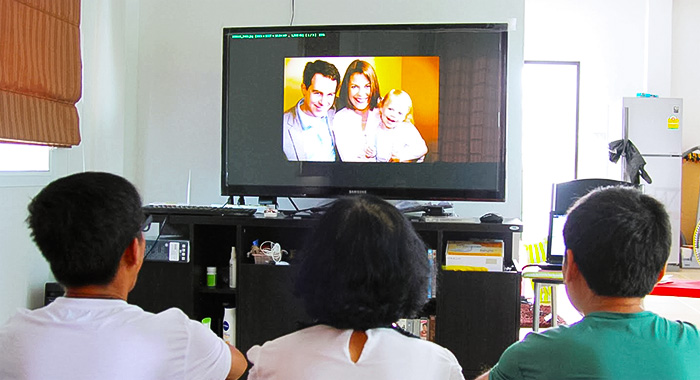
It’s interesting to observe how sudden exposure to a world of technology affects a person who hasn’t grown up with it. One middle-aged refugee was hesitant about taking a photo with his head turned to the side because he thought the North Korean government had the technology to turn heads in photos and thus find out his identity. In contrast, we have also seen a North Korean child begging his mom as soon as the group arrived to turn on the TV so he could watch cartoons. The family had been well-off enough to be able to expose their son to foreign media at a young age even inside North Korea.
It’s a fascinating experience to show refugees Google Maps views of their hometowns. It’s just a simple bird's eye view, but the way their eyes light up and their fingers trace the roads to their homes, circle their schools, train stations, and marketplaces, is so visceral for them. It’s a contemplative moment for us—these people have left their country because of reasons that made life in North Korea miserable or unlivable. Despite that, North Korea is HOME and still filled with memories, both good and bad, of their childhood, family, and the simple pleasures of life—chatting with neighbors, holiday memories of gifts and special foods, and weddings.

Breaking the ice with delicious food
The first meal with every group is always quiet because we’re all meeting each other for the first time. So we always make it a point to ask about special foods the refugees had in North Korea or on the journey down as an icebreaker. Afterall, who doesn’t love talking about food? It’s true for North Koreans as well - everyone loves giving input on regional differences in preparing holiday meals, comparing market prices on fruit and produce, or complaining about the food not matching their tastes on their journey down.
We want to make sure the North Korean refugees are able to eat as much as they can to be strong enough for the remainder of their journey so we’ve made it a point to find out what foods fit best with their palates. For many of them, this journey is the first time they’ll have experience some tastes or seasonings (like cilantro) and it can come as a shock to them. It’s fun to think about what foods they would like—Yogurt? Chinese-style buns? Noodle soup? Fried rice with a fried egg on top is an all-around crowd pleaser.
Soon after the first meal, the refugees will have lively discussions about the delicious foods they ate in North Korea and when they were available. One mission, we brought out persimmons as dessert—it initiated a 20-minute discussion on the merits and differences of persimmons eaten in North Korea versus the ones bought in Southeast Asia.
Being a field coordinator is filled with many unique moments and this list summarizes just a few of them. And yes, though it is challenging at times, it’s the refugees who we are most excited to serve. We love sharing our experiences with them. No one group or mission is the same and that keeps our job exciting, varied, and dynamic.
Want to be our team in the field? Apply to be our next field coordinator!










