
Returning Home to a Free North Korea | A Glimpse of Reunification in 2045
By: Eunsook Jang
Eunsook is a 2024 LiNK US Scholarship grantee, a Fulbright Scholar, and a North Korean defector pursuing a master’s degree in international development at Brandeis University, where she focuses on post-conflict, economic, and human development. She holds a bachelor’s degree in political science and international peace from Korea University.
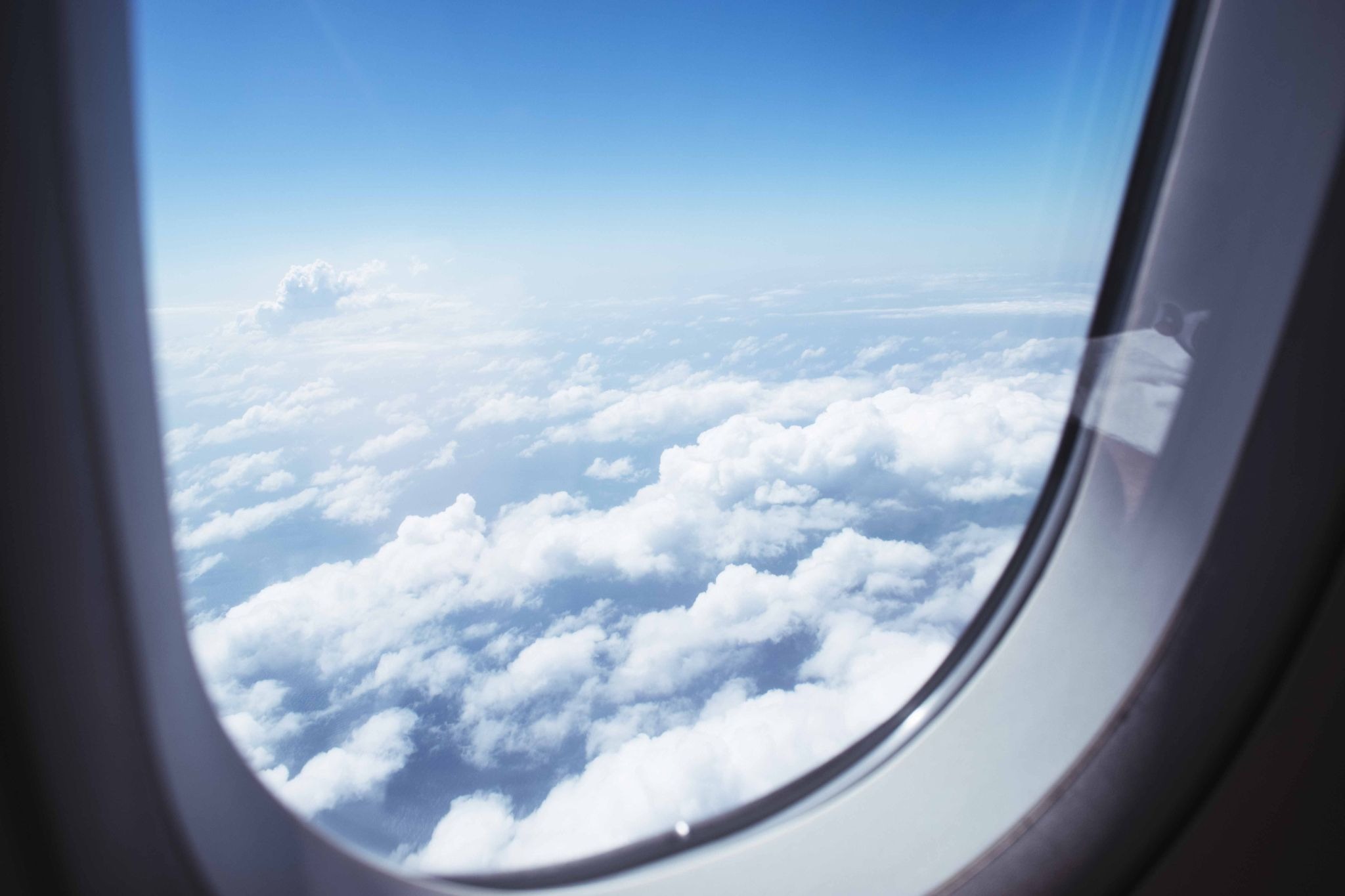
In the spring of 2045, on a flight from Incheon to Pyongyang, Emma's hands tremble. Her husband Sam reaches over and, steadily, holds them without a word. She turns to the window and stares into the pale clouds below the wing.
“I’ve waited 30 years for this day,” she whispers. “But now that I’m here… it doesn’t feel real. I hope this isn’t a dream.”
“Maybe it’s both,” Sam replies. “The dream became real.”
She closes her eyes. In 2015, at just fifteen years old, she crossed the frozen Yalu River in a dark March morning, leaving without saying a proper goodbye to her mother. That guilt, its intensity, has never faded, not even after thirty years. It simply learns to live quietly beside her.
“Will Mom recognize me?” she asks. “We parted when I was fifteen. I’m forty-five now.”
“She will,” Sam answers. “How could a mother not recognize her daughter?”
Emma says nothing. Will I... be able to recognize her? She does not say it aloud this time.
An announcement comes through the cabin speakers: "This is the first return flight for North Korean defectors to their hometowns. We know how much you have endured. We will carry you safely home."
It is a rare moment of comfort from a South Korean voice. Moments later, the plane lifts into the sky.
An hour later, the plane lands in Pyongyang. Emma weeps quietly, overwhelmed by the thought that across so short a distance, lives in the South and the North had been so utterly, irreconcilably different. For thirty years, she had not been able to cross it, that gap, so small.
From Pyongyang, the journey to Hyesan continues by bus. As the skyline of Pyongyang passes past the window, its taller buildings, its broad avenues, Emma allows herself the fragile hope: perhaps Hyesan has developed too.
After five hours on the road, the bus arrives at Hyesan Station. The apartments and the lay of the land are almost entirely unchanged from when she had left thirty years earlier, as if time had refused to move, as if it had been waiting for her. Emma found herself hoping the same might be true of her mother.
A thirty minutes' walk from the station: that is where her mother's house is.
As if drawn by a magnet, her feet start moving on their own.
Sam asks if they are going the right way. Without hesitation, "Yes," Emma replies. "I used to walk this road every day as a child. It’s still in my body."
He points to a bus queue down the street. "There's a bus queue over there. Want to take it part of the way?" She shakes her head gently. "If you don't mind, I'd like to walk." "Then we’ll walk," he replies without hesitation. Emma feels another surge of gratitude, grips on his arm and follows her memory home.
Since Emma left her hometown in 2015, the North Korean regime has conducted ten more nuclear tests as of 2045. And yet the face of this neighborhood has not changed by a single detail. The freedom and human rights that should have been the people's return on those tests have been vaporized into the air.
They arrive at a fork in the road. To the left, an alley leads toward the house. A familiar-looking house comes into view, enclosed by a wooden fence. She stops and stands motionless. It is the house, it is her house.
Several minutes pass. Then the door opens. Emma feels her breath catch. For a second, she forgets how to move.
After thirty years, she is here.
This is what the micropolitics of reunification looks like. Grand narratives, speeches, and legal texts may provide its official language, but its lived realities lie in moments, in feelings, like this: a mother and daughter recognizing each other after thirty years apart.
Author’s note: I dedicate this piece to my father in South Korea, who has never once wavered in encouraging my studies, as if realizing through me the freedom to pursue the dreams that were taken from him. And to my mother, who remains in North Korea: This piece is my proof that your daughter has not turned away from your suffering, but is working, in her own small way, to fight against it. I hope to see you, even if only in my dreams tonight. I love and miss you beyond my expression.
–
Eunsook is a participant of the LiNK English Language Program (LELP), which serves to not only help North Korean defectors build confidence and skills in English, but develop their capacity as advocates for this issue. To that end, we partnered with select LELP “columnists” to write and polish personal essays through multiple rounds of external feedback and revision. Our goal is to have more North Koreans share their stories directly and lead efforts to change the narrative.
We believe the North Korean people can achieve their liberty in our lifetime.
Opportunities like LELP invest in the people building that future now. Help more North Koreans find their voice, reach their goals, and lead change on this issue.
Women’s History Month: Honoring the Bravery of North Korean Women
By: Jennifer Kim
Jennifer* is Liberty in North Korea’s Field Manager. Over the years, she’s carefully stewarded our secret rescue routes and helped countless North Korean refugees reach safety and freedom.
Approximately 70% of North Korean defectors are women. Throughout their journey, they face unimaginable challenges, including human trafficking, confinement, and sexual violence.
For Women’s History Month this year, we asked Jennifer to share her experiences supporting North Korean women who have made the brave decision to escape, and bring light to the stories of real people behind the numbers and statistics.
A Transformative First Mission
When I first began this line of work, I was filled with both excitement and anxiety. “Will I be able to connect well with these people?” “Will the field be too dangerous?” Even in my position as a staff member, there were times when the situations we encountered felt riskier because I was a woman.
On my first mission, the group we brought to safety were all women. From their small requests, like asking for sanitary pads, to moments where they cautiously shared their harrowing experiences of human trafficking in China, I found that we could connect on a deeper level because I was also a woman. I realized my role wasn’t just to be a staff member, but to stand by these people as they needed me, as a fellow woman. From then on, the fear I had initially felt about this work transformed into conviction.
North Korean Women At the Forefront of Resistance and Survival
After meeting many North Korean women defectors, I’ve come to learn that there are unique challenges and experiences that only they face. Women in North Korea are not as restricted to job assignments as men, so they’re the ones actively engaged in informal economic activities. They’re running their own black-market businesses and trading smuggled goods, shifting economic power from the regime into the hands of the ordinary people.
Women also make up the majority of North Korean defectors at over 70%. In freedom, they’re leading advocacy efforts and raising awareness for this issue.
I've come to think that perhaps women in North Korean society were the first and most desperate to stand up in resistance.
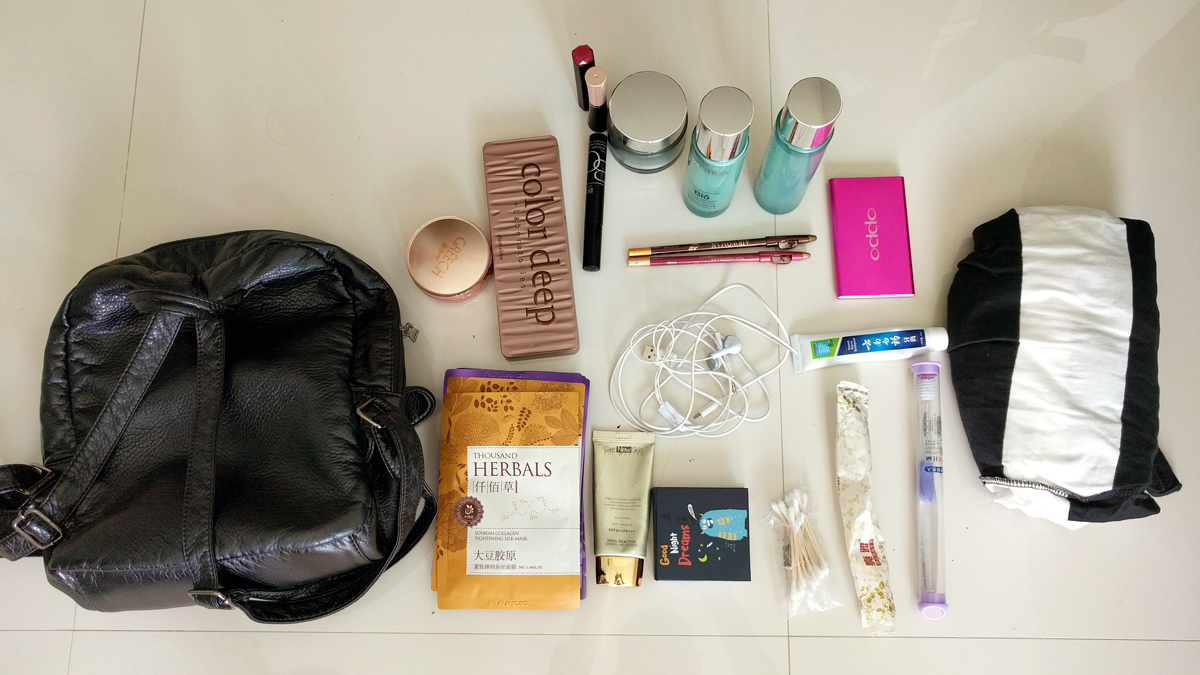
At the same time, the reality is that women are more vulnerable to gender violence and crime. The moment they cross the North Korean border and set foot on Chinese soil, their precarious legal status and the fact that they are women become risk factors that can lead to human trafficking, sexual exploitation, and forced prostitution. If these dangerous situations lead to pregnancy and childbirth, women often remain in China for years, even decades, weighed down by the conflicting emotions of their longing for freedom and their maternal instincts.
All of the women I met during my first rescue mission were survivors of being trafficked into forced marriages. While there are some cases where these women meet kind families and live in a relatively less dangerous environment, most have to endure difficult lives. One woman who we rescued in 2024 said that in the early stages of her life in China, she was confined and tied up in a single room by the man who bought her. Others had to do forced labor in one of China’s many factories.
Not a News Story, But a Person’s Story
About ten years ago, I watched a video of a woman my age testifying about the hardships and sexual violence she experienced during her defection from North Korea. As a South Korean, I couldn't believe that such things were happening just across the border. Shocked and ashamed of my indifference, I cried for a long time, then resolved to do something.
North Korea used to be something I only saw and heard about through a TV screen. Now those distant news stories have become the personal experiences of the North Korean mothers and friends I’ve met in the field.
At first, I simply wanted to help as best I could. But as time went on and I met more North Koreans, my perspective gradually changed. Now, I feel like I'm not so much ‘helping’ as I am meeting incredible superwomen who have overcome tremendous adversity.
My role is to constantly remind them of their resilience and potential, so they don't forget it themselves.
“This is My First Time Being Treated Like a Queen”
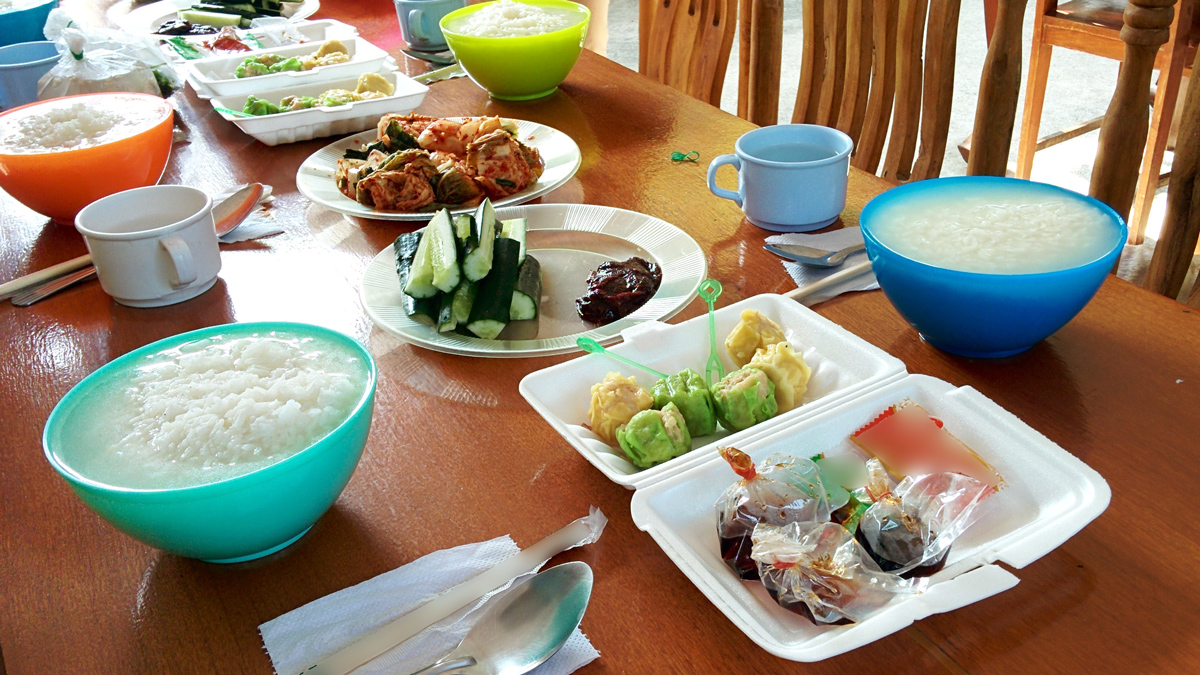
After a successful mission, our team ensures our newly arrived North Korean friends have a proper meal, get some rest, and receive basic necessities. On one occasion, one woman told me, “This is the first time in my life that I have been treated like a queen.”
She had just reached freedom after ten years in a forced marriage to a Chinese man. Her words resonated with me deeply. I realized once again that our work isn't simply about helping people achieve physical freedom; it's about restoring a person's forgotten dignity.
That woman has since resettled in South Korea and runs a small shop. She’s continued to stay in contact with LiNK, sharing updates about her life. One day, she shyly announced her marriage. She’s starting a new chapter with a person she chose and wanted.
Walking Together In Solidarity
Through the friendships I’ve made and stories I’ve witnessed in the field, my connection to this issue has deepened over time. These women aren’t just “nameless” North Koreans, but people like us, living their daily lives; someone’s daughter, sister, or mother. I didn’t set out to do this work for over a decade. But day by day, hearing each story, meeting each person, and holding their hands has naturally led me down this path.
Listen to their stories, and I believe that you too will encounter a heart for the North Korean people.
– Jennifer Kim, LiNK Field Manager
*Jennifer is a pseudonym used to protect our field manager’s identity and avoid compromising this work.
Help North Koreans Win Their Freedom
From inside the country to on the global stage, North Korean women are driving change on this issue. Driven by necessity, desire to care for their loved ones, and aspirations to forge their own path in this world, their pursuit of freedom is both intentional and instinctive.
Liberty in North Korea doesn't just extend a helping hand to North Korean refugees—we’re cultivating the next generation of North Korean leaders, entrepreneurs, and advocates, and doing this work alongside them.
Become a monthly donor today at $20 per month to help more North Koreans reach safety and gain full authorship of their lives in freedom.


