
Returning Home to a Free North Korea | A Glimpse of Reunification in 2045
By: Eunsook Jang
Eunsook is a 2024 LiNK US Scholarship grantee, a Fulbright Scholar, and a North Korean defector pursuing a master’s degree in international development at Brandeis University, where she focuses on post-conflict, economic, and human development. She holds a bachelor’s degree in political science and international peace from Korea University.
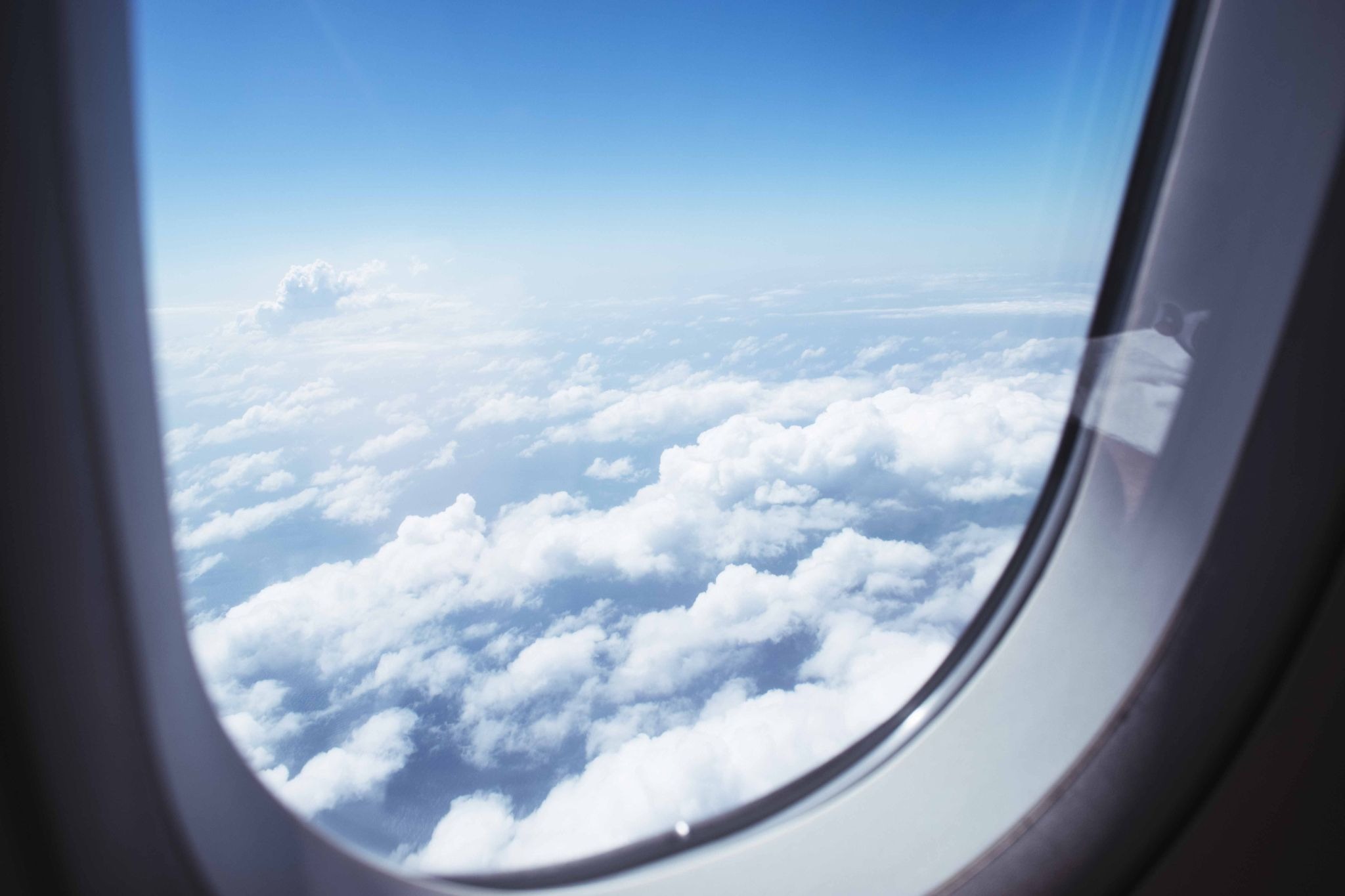
In the spring of 2045, on a flight from Incheon to Pyongyang, Emma's hands tremble. Her husband Sam reaches over and, steadily, holds them without a word. She turns to the window and stares into the pale clouds below the wing.
“I’ve waited 30 years for this day,” she whispers. “But now that I’m here… it doesn’t feel real. I hope this isn’t a dream.”
“Maybe it’s both,” Sam replies. “The dream became real.”
She closes her eyes. In 2015, at just fifteen years old, she crossed the frozen Yalu River in a dark March morning, leaving without saying a proper goodbye to her mother. That guilt, its intensity, has never faded, not even after thirty years. It simply learns to live quietly beside her.
“Will Mom recognize me?” she asks. “We parted when I was fifteen. I’m forty-five now.”
“She will,” Sam answers. “How could a mother not recognize her daughter?”
Emma says nothing. Will I... be able to recognize her? She does not say it aloud this time.
An announcement comes through the cabin speakers: "This is the first return flight for North Korean defectors to their hometowns. We know how much you have endured. We will carry you safely home."
It is a rare moment of comfort from a South Korean voice. Moments later, the plane lifts into the sky.
An hour later, the plane lands in Pyongyang. Emma weeps quietly, overwhelmed by the thought that across so short a distance, lives in the South and the North had been so utterly, irreconcilably different. For thirty years, she had not been able to cross it, that gap, so small.
From Pyongyang, the journey to Hyesan continues by bus. As the skyline of Pyongyang passes past the window, its taller buildings, its broad avenues, Emma allows herself the fragile hope: perhaps Hyesan has developed too.
After five hours on the road, the bus arrives at Hyesan Station. The apartments and the lay of the land are almost entirely unchanged from when she had left thirty years earlier, as if time had refused to move, as if it had been waiting for her. Emma found herself hoping the same might be true of her mother.
A thirty minutes' walk from the station: that is where her mother's house is.
As if drawn by a magnet, her feet start moving on their own.
Sam asks if they are going the right way. Without hesitation, "Yes," Emma replies. "I used to walk this road every day as a child. It’s still in my body."
He points to a bus queue down the street. "There's a bus queue over there. Want to take it part of the way?" She shakes her head gently. "If you don't mind, I'd like to walk." "Then we’ll walk," he replies without hesitation. Emma feels another surge of gratitude, grips on his arm and follows her memory home.
Since Emma left her hometown in 2015, the North Korean regime has conducted ten more nuclear tests as of 2045. And yet the face of this neighborhood has not changed by a single detail. The freedom and human rights that should have been the people's return on those tests have been vaporized into the air.
They arrive at a fork in the road. To the left, an alley leads toward the house. A familiar-looking house comes into view, enclosed by a wooden fence. She stops and stands motionless. It is the house, it is her house.
Several minutes pass. Then the door opens. Emma feels her breath catch. For a second, she forgets how to move.
After thirty years, she is here.
This is what the micropolitics of reunification looks like. Grand narratives, speeches, and legal texts may provide its official language, but its lived realities lie in moments, in feelings, like this: a mother and daughter recognizing each other after thirty years apart.
Author’s note: I dedicate this piece to my father in South Korea, who has never once wavered in encouraging my studies, as if realizing through me the freedom to pursue the dreams that were taken from him. And to my mother, who remains in North Korea: This piece is my proof that your daughter has not turned away from your suffering, but is working, in her own small way, to fight against it. I hope to see you, even if only in my dreams tonight. I love and miss you beyond my expression.
–
Eunsook is a participant of the LiNK English Language Program (LELP), which serves to not only help North Korean defectors build confidence and skills in English, but develop their capacity as advocates for this issue. To that end, we partnered with select LELP “columnists” to write and polish personal essays through multiple rounds of external feedback and revision. Our goal is to have more North Koreans share their stories directly and lead efforts to change the narrative.
We believe the North Korean people can achieve their liberty in our lifetime.
Opportunities like LELP invest in the people building that future now. Help more North Koreans find their voice, reach their goals, and lead change on this issue.
A North Korean Father Risks Everything for Family | Doohyun’s Story
I lived in North Korea for over 20 years, and for much of that time, I believed my life was normal. I grew up in a big city by the river. When the wind blew, I could smell the water on the breeze, and on holidays, I played along the banks with my friends.
The river ran along the border between North Korea and China. I could see across the water into a different world–one where cars lined the streets, and buildings stretched high into the sky.
But I didn’t realize that life should be different, until the day they took my father away.
My father was a great businessman. He provided for our family despite being forcibly discharged from the military when his Minister of Defense was executed by Kim Il Sung. Labeled as a “traitor,” he was banned from decent jobs and opportunities.
Still, my father was a clever man and found success within the private market system that many North Koreans rely on to survive. Until one day, the police came to investigate him.

Without reason or warning, my father was arrested and imprisoned. They tortured him for a year. When he was released, my father weighed only 66 pounds.
Even after surviving the unimaginable, he was defiant. He wrote 20 pages of complaints to the Central Party about the human rights abuses he endured. My family was terrified of the consequences, but we couldn’t stop him. He fought for his voice to be heard.
On a warm Spring day, a Mercedes-Benz, license plate number 216, arrived at our home. February 16th was Kim Jong Il’s birthday, and cars with this number were only given to his closest aides. My father spoke with the man for hours about his letter. The man apologized and promised something like this wouldn’t happen again. This gave us a bit of hope for the future – for the possibility of change.
But the man left for Pyongyang. And then the police returned. I never saw my father again.
For two years, my family and I lived in unknowing agony, receiving no news on my father. Eventually, we heard from my father’s friend, who was a police officer, that he had passed away in prison.
At the very least, we wanted to send him off properly, so we asked that same friend how we could get my father’s body. Three days later, he returned. He told us they would not return my father’s body. My father had been sentenced to eight years in prison. He’d passed away after two. He still had six more years to serve – as a dead body. As a corpse.
For the first time I wondered whether this was the way normal people lived.
In 2009 I decided to escape from North Korea. Life had become near impossible for me after my father’s death, and I continued to face discrimination due to our family’s status in society.
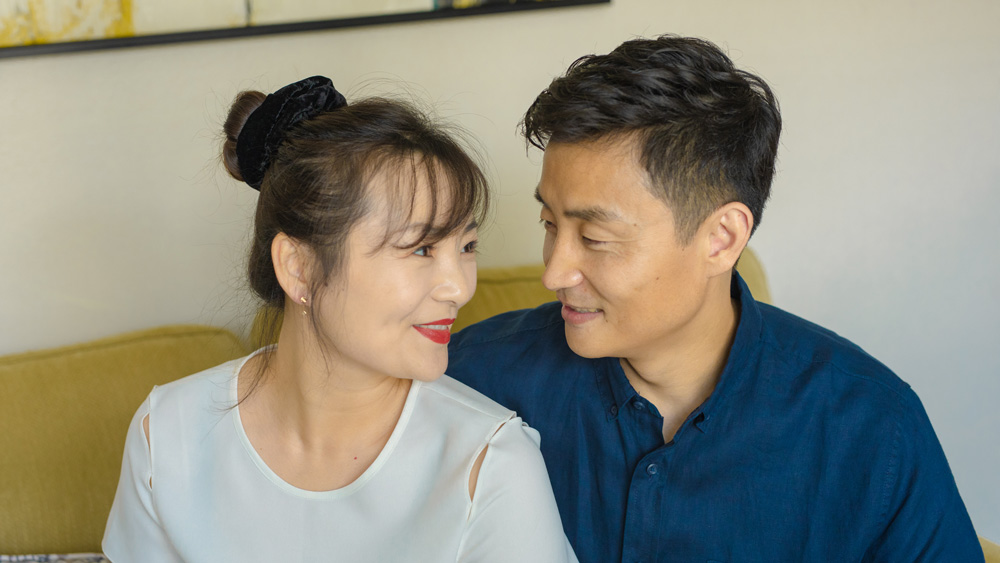
By then, I had been married to my wife, Jiyeon, for two years. Most of our relationship before marriage was through the phone, because we lived far apart, and traveling in North Korea is difficult. So we called each other every night and talked for hours.
Now, I didn’t know if I was going somewhere she would never be able to reach. I told her it was a business trip. Two weeks. I’ll just be gone for two weeks.
She still cried at the train station, thinking about those two weeks. I couldn’t cry with her because then she would know the truth. So I boarded the train without a word, and watched it take me away from her.
From the moment I escaped North Korea, it felt like I was being chased by a grim reaper. There were multiple close-calls where I felt death breathing down my neck.
I was once hiding in a corn field near the Chinese border. Lying on my stomach, I watched soldiers patrol the area when suddenly, one of them walked towards me. It was too late to run or hide.
I had brought poison with me in case something like this happened - I knew it would be better to kill myself rather than be captured. But as I prepared to take the poison, I thought of my wife. I thought about how she would never know what happened to me.
In that moment of sheer terror, I heard the sound of water. The soldier stood right beside me but he hadn’t seen me. He had only walked over to relieve himself. For the next few minutes, I couldn’t move. The soldier had left, but my body held onto the terror of that moment. I remained hunched and hurried for the rest of the journey.
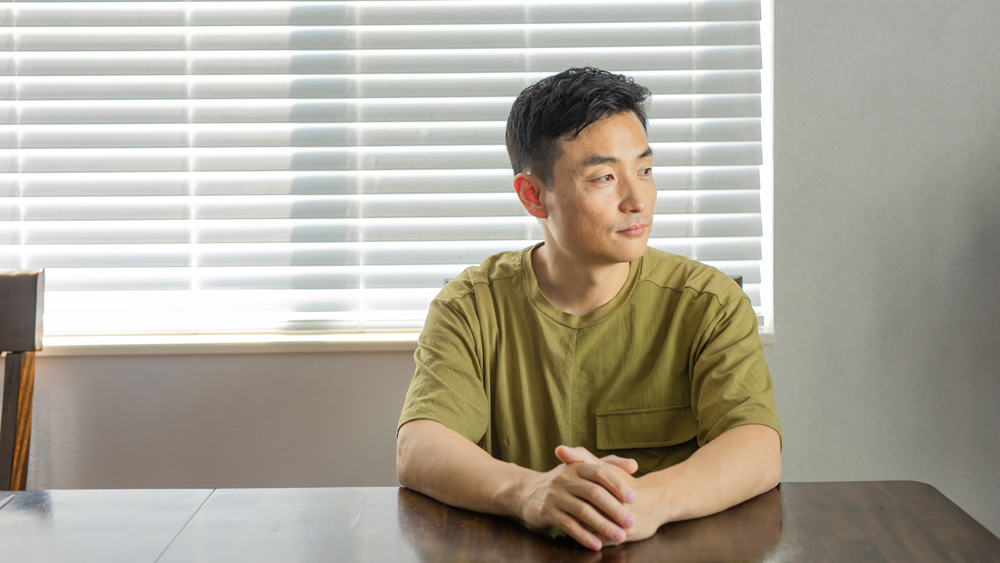
Eventually, I made it safely to South Korea. I started working as soon as possible – 12 hour days to pay back the broker fee, and save up money for my wife’s escape. My schedule was just working and sleeping, working and sleeping. It was hard, but for the first time in a long time, I had hope.
I was able to find a broker who put me in contact with my wife. It had been ten months since I’d defected at that point – ten months of her not knowing whether I was dead or alive. The call couldn’t be made in the city because the signal could be intercepted, so my wife and the broker hiked to the top of a mountain.
When we heard each other’s voices again, all we could do was cry. But we didn’t have much time, and so I asked her, you’re coming, right?
She said she was.
On December 27th, 2011, Jiyeon crossed the river to escape North Korea on the same route that I took.
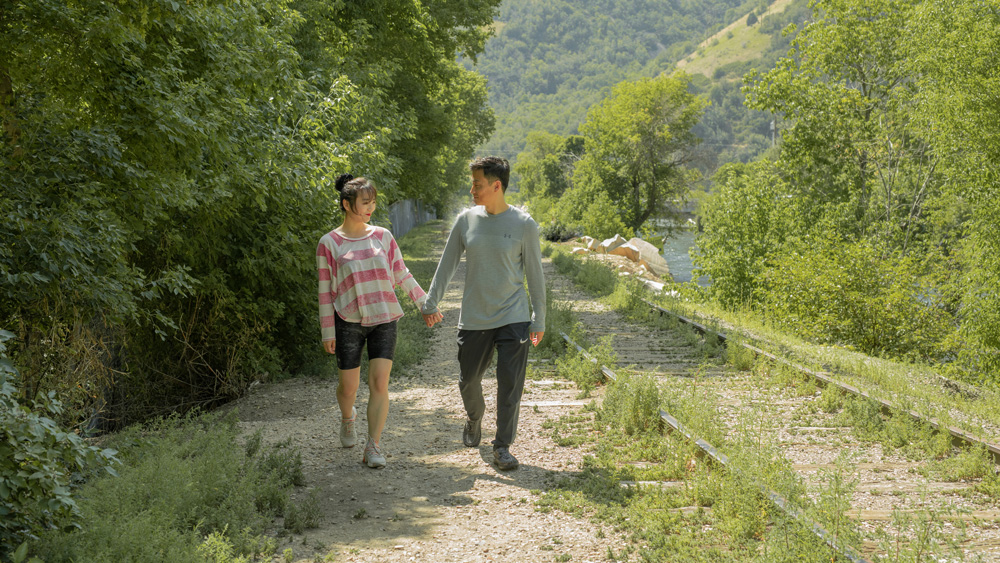
As soon as my wife arrived in South Korea, I went to meet her. I was so excited. I couldn’t stop crying. When my wife came into the room, she was crying too – but do you know what’s the first thing she did when she saw me?
She punched me – crying, calling me a liar. And I deserved it.
We live in Utah now with our two beautiful sons. We go fishing, camping, and enjoy the outdoors together. Every time I see them, I realize I’m living in a different world, one where we can finally dream and decide our own future.
This is the life I’ve made for my children. This is the life my father envisioned for me and for all North Koreans when he made his act of defiance. My father died fighting for his voice to be heard – and now, finally, he’ll be heard by the world.
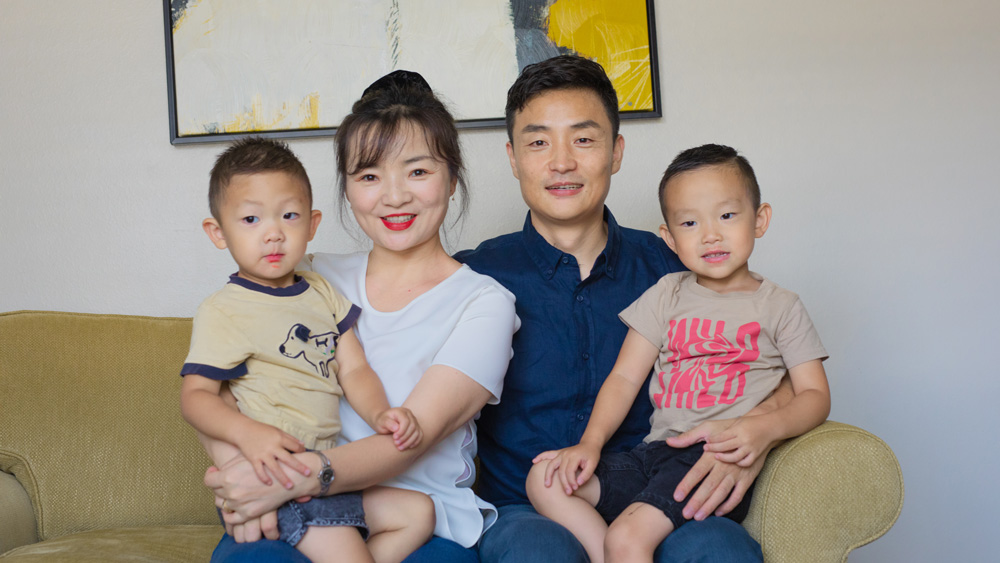
Doohyun risked everything to create a future where his family could live together in freedom. Their story isn’t unique - there are many more North Koreans waiting and hoping for the day when they can reunite with loved ones. Help make freedom part of every North Korean’s story.
Give today
Since resettling in the United States, Doohyun has completed his undergraduate studies and now works for a North Korean human rights organization. He considers helping the North Korean people to be his life’s mission, continuing his father’s legacy.


