
Time Travelers: North Korean Defectors Resettling in South Korea
To reach freedom, North Korean defectors typically brave a perilous 3,000 mile journey through China and Southeast Asia. But even after finally reaching safety, they face a long road ahead as they begin their new lives.
The majority of North Korean refugees have resettled in South Korea. Many describe the transition like stepping out of a time machine, 50 years into the future. In addition to learning about things like the internet and ATMs, getting used to their newfound freedom alone can be a lot to grasp after decades of living in the world’s most authoritarian country.
A new journey, one of restoration, discovery, and adjustment, begins.

Resettlement Process
When North Korean refugees first reach South Korea, they go through a thorough debrief process with the National Intelligence Service to verify their background. From there, the Hanawon Settlement Support Center helps them ease into modern South Korean society.
Every defector must complete a three month adjustment program, which covers:
- Basic skills, like how to open a bank account and use the Internet
- Job and vocational training
- Field trips to shops, food courts, and other businesses
- The social and cultural differences between North and South Korea
- The history of the Korean peninsula
After completing the program, refugees receive government benefits to begin their new lives, including an initial subsidy, housing support, and healthcare.

South Korean Culture Shock
Emerging from Hanawon, North Korean refugees often experience culture shock when they find themselves fully immersed in South Korean society.
One of the first things many notice is the abundance of greenery and trees compared to North Korea. While the entire Korean peninsula was severely deforested by the mid-20th century, South Korea is one of the world’s few reforestation success stories.
Many defectors are also surprised by how safe South Korea is. One person can manage a big market stall on their own and not worry about theft, whereas goods have to be closely guarded at North Korea’s Jangmadangs. Other new experiences include the widespread availability of clothing and existence of vending machines and mannequins.
.jpg)
New Challenges
While the South Korean government provides material support, many North Korean refugees still face challenges starting over in a very different society. Just navigating daily life can be difficult at first, and making longer-term decisions like what to study or finding a stable job can be even more overwhelming.
“When I first arrived in South Korea, I was confused and didn’t know where to even start my new life in freedom. I wasn’t even sure who I was as a person.”
– Geumju, escaped North Korea in 2008

At school, additional study may be needed to catch up with their South Korean peers after decades of propaganda-based learning. In the workforce, many refugees have to retrain and re-qualify for the same jobs they had in the North, such as doctors and teachers. These discrepancies have contributed to an income gap between North and South Koreans in South Korea’s hyper competitive society.
In addition to figuring out the future, many refugees are still coping with physical and mental health issues from a traumatic past. A lack of healthcare in North Korea often results in decades of unaddressed medical and dental problems. Roughly 50% of North Korean refugees also suffer from PTSD. Many had to leave loved ones behind, witnessed or experienced torture, or survived trafficking, which can be tough to process.

Finding Community & Onward
Forming new relationships in South Korea can be one of the biggest challenges for defectors. In North Korea, lack of mobility and aspects of life organized by the regime meant that everyone in a neighborhood knew each other. To meet up with someone, it was commonplace to just stop by their home. In comparison, South Korea’s decentralized “yaksok” (promise) culture of scheduling a time and place to meet specific people may feel unfamiliar and take extra effort.
Refugees may also not want to reveal that they’re from North Korea or can have trouble sharing past experiences. Some may also experience prejudice against North Koreans for their accent or stereotypes, such as being uneducated or untrustworthy.
Overall, although life in freedom brings many advantages and benefits, it comes with some unexpected challenges. Before their escape, North Koreans may have only heard good things or focused on the positives. Moving to a foreign place and building a new life from scratch is difficult for anyone, and can be especially challenging for North Korean refugees.
Impact of the Pandemic
During the pandemic, refugee numbers have been at an all time low. Unprecedented restrictions on movement and surveillance have made the journey through China and Southeast Asia almost impossible.

On the resettlement side, refugees have also struggled as some support programs were scaled back or cut altogether. Many have felt especially lonely during this time or found it difficult to work towards their goals.
Agents of Change
Despite all odds, North Korean refugees are some of the most powerful examples of human resilience. When they have the support they need to successfully resettle in freedom, they can become some of the most effective agents of change on this issue.

Defectors are embracing and taking pride in their identity, sharing their stories on the global stage as YouTubers, entrepreneurs, and advocates. When they reclaim the narrative on North Koreans, they directly challenge the regime’s portrayal of their country.
North Korean refugees also have the unique opportunity to affect change inside North Korea through remittances. Many maintain contact with their home communities and send money back to their families, helping people inside and accelerating change at the ground level.
The Support of a Movement
Reaching freedom is just the first step. LiNK is dedicated to working with North Korean refugees to help build their capacity and realize their full potential in their new lives! We do this by:
- Organizing workshops for entrepreneurship, advocacy, and more
- Facilitating a 1:1 English tutoring program
- Sponsoring scholarships for North Korean students pursuing higher education
- Providing a community of ongoing support and resources

“I’m touched by LiNK’s supporters. I can feel their genuine heart. Before I learned more about LiNK, I just thought that I came out through a rescue network. I never imagined that so many people have been rooting for us and that it’s a bigger movement than just rescues. Now that I know all of you helped us with kind hearts, I want to succeed and do good things for others in South Korea.”
– Yuna, escaped through LiNK’s networks and resettled in 2021
We’re only able to provide this crucial support with your help. Donate today to keep these programs running.
Remembering North Korea: Today, I’m Happy Because I Can Have Ice Cream
By: Hyeyoung Woon
Hyeyong escaped from North Korea in 2009. She currently works as a financial accountant, and strives to grow her ability as a storyteller and writer to share her personal experiences as a North Korean defector.
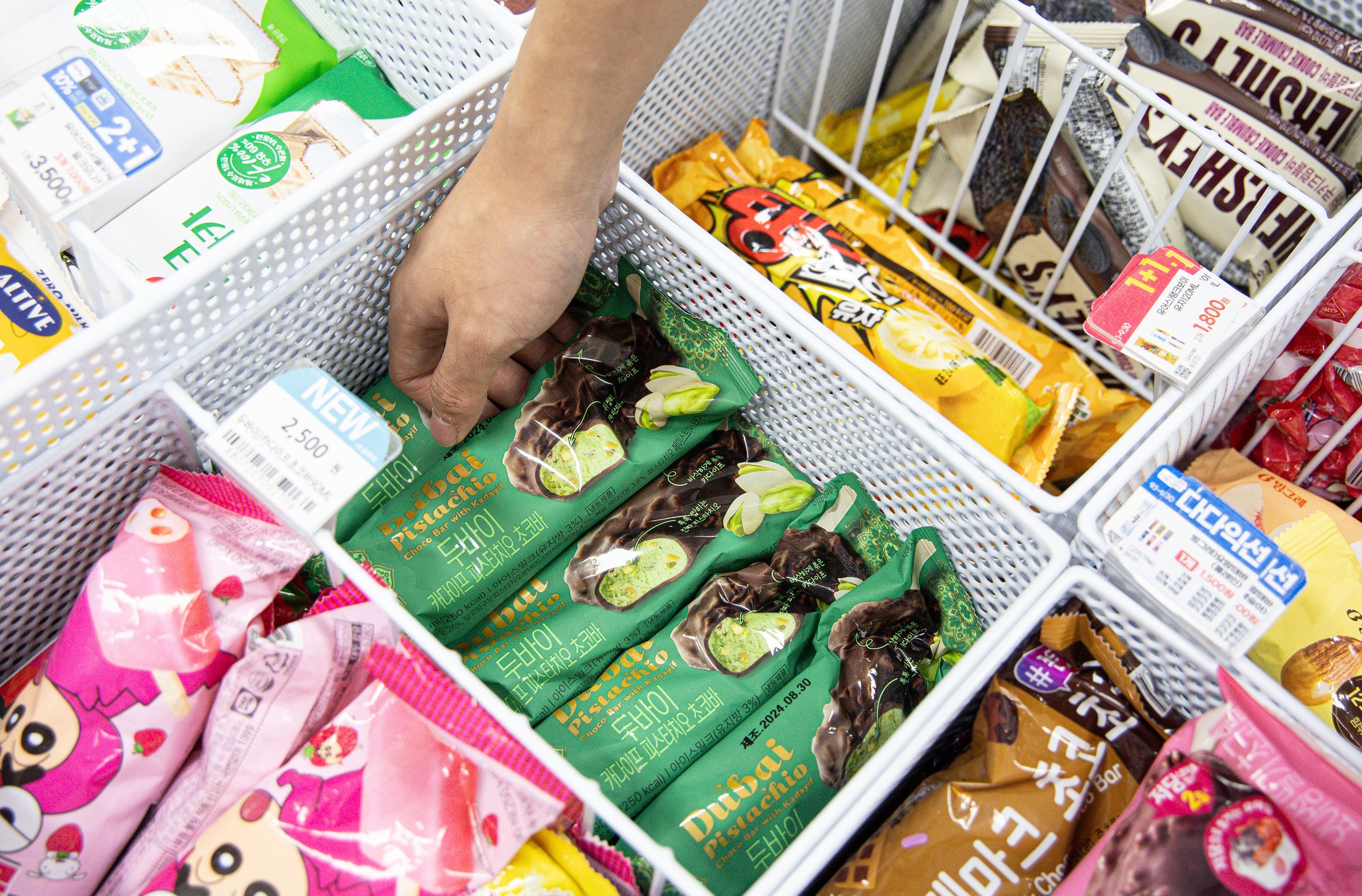
There are days when happiness feels complicated.
And then there are days when it feels very simple.
For me, sometimes, it is just ice cream.
When I was young in North Korea, ice cream was very different.
We had “eoreum bosunge” which is sweet pink water frozen in a small metal can with a stick inside. It was icy and rough, and the taste was so strong. That was all I knew.
But everything changed on my first day in South Korea.
I went to a small neighborhood store with my mom and that was where I first saw an ice cream called “Pure Milk”.
At that time, I had just started becoming interested in the English language, so maybe that is why the name catch my eyes
I picked it up and took a bite.
And honestly, it felt like a different world.
It was soft, smooth, and full of real milk flavor.
Until then, ice cream had only meant frozen sweet water to me. I did not know something so simple could taste so real.
After that day, I kept choosing the same ice cream again and again.
Of course, now I know there are more expensive and famous ice creams in the world and, just like that, my life has changed too.
But maybe that is why I still choose Pure Milk.
Not because it is the best,
But because it reminds me of who I used to be.
When I first came to South Korea, everything felt new and exciting.
And little by little, this new world made me forget the old one.
Maybe that is part of growing up.
Or maybe it is part of learning how to survive in a new society.
But sometimes, I become afraid that my old memories are slowly fading away too.
That is why small things like this ice cream still matter to me.
They remind me of where I started.
They help me keep a part of myself that I do not want to lose.
And I still want to remember the girl who once believed pink frozen water was enough to be called ice cream.
–
Hyeyoung is a participant of the LiNK English Language Program (LELP), which serves to not only help North Korean defectors build confidence and skills in English, but develop their capacity as advocates for this issue. To that end, we partnered with select LELP “columnists” to write and polish personal essays through multiple rounds of external feedback and revision. Our goal is to have more North Koreans share their stories directly and lead efforts to change the narrative.
We believe the North Korean people can achieve their liberty in our lifetime.
Opportunities like LELP invest in the people building that future now. Help more North Koreans find their voice, reach their goals, and lead change on this issue.


