
Webcomic: Escape From North Korea
By: Ju Ok Jeon
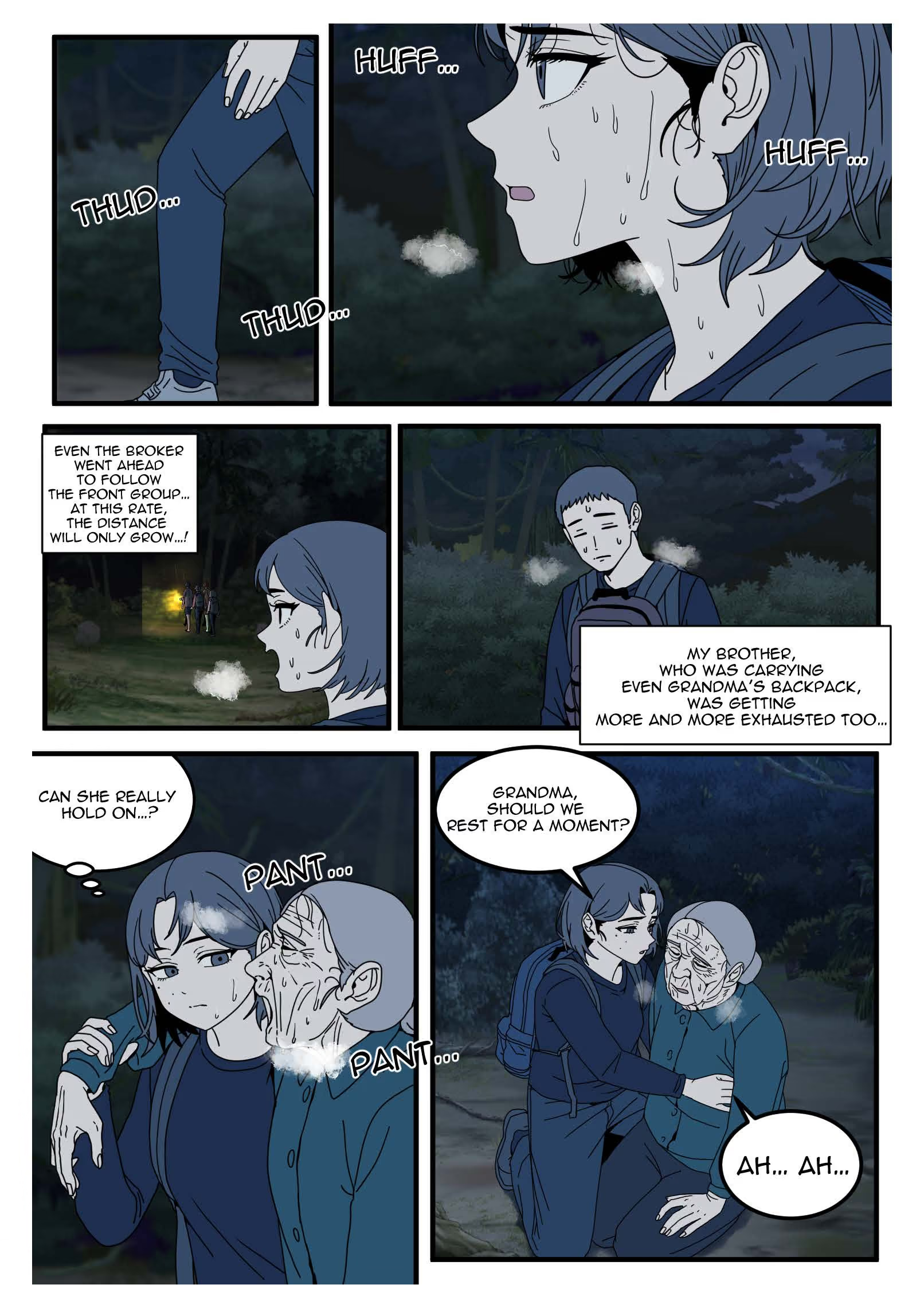
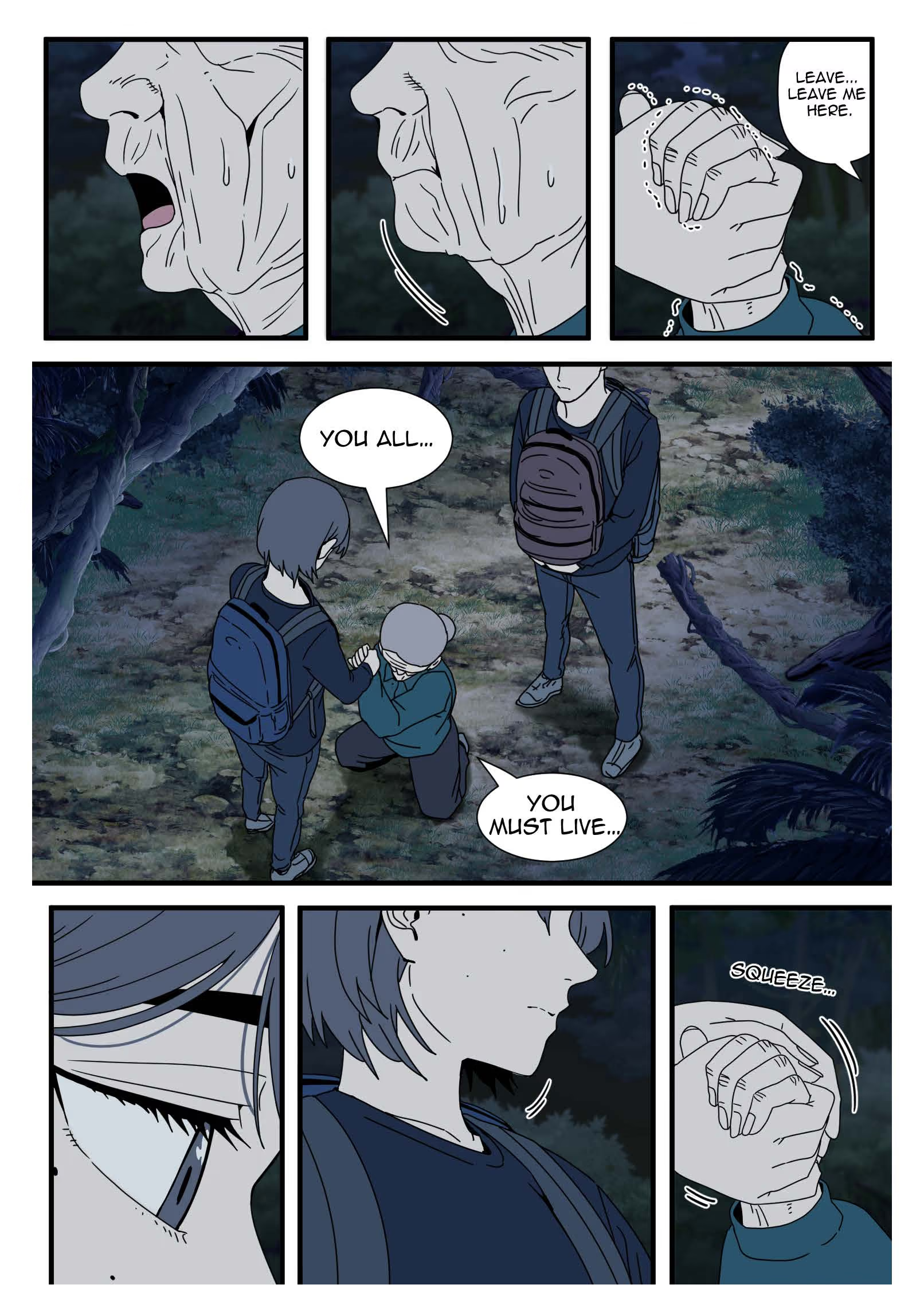
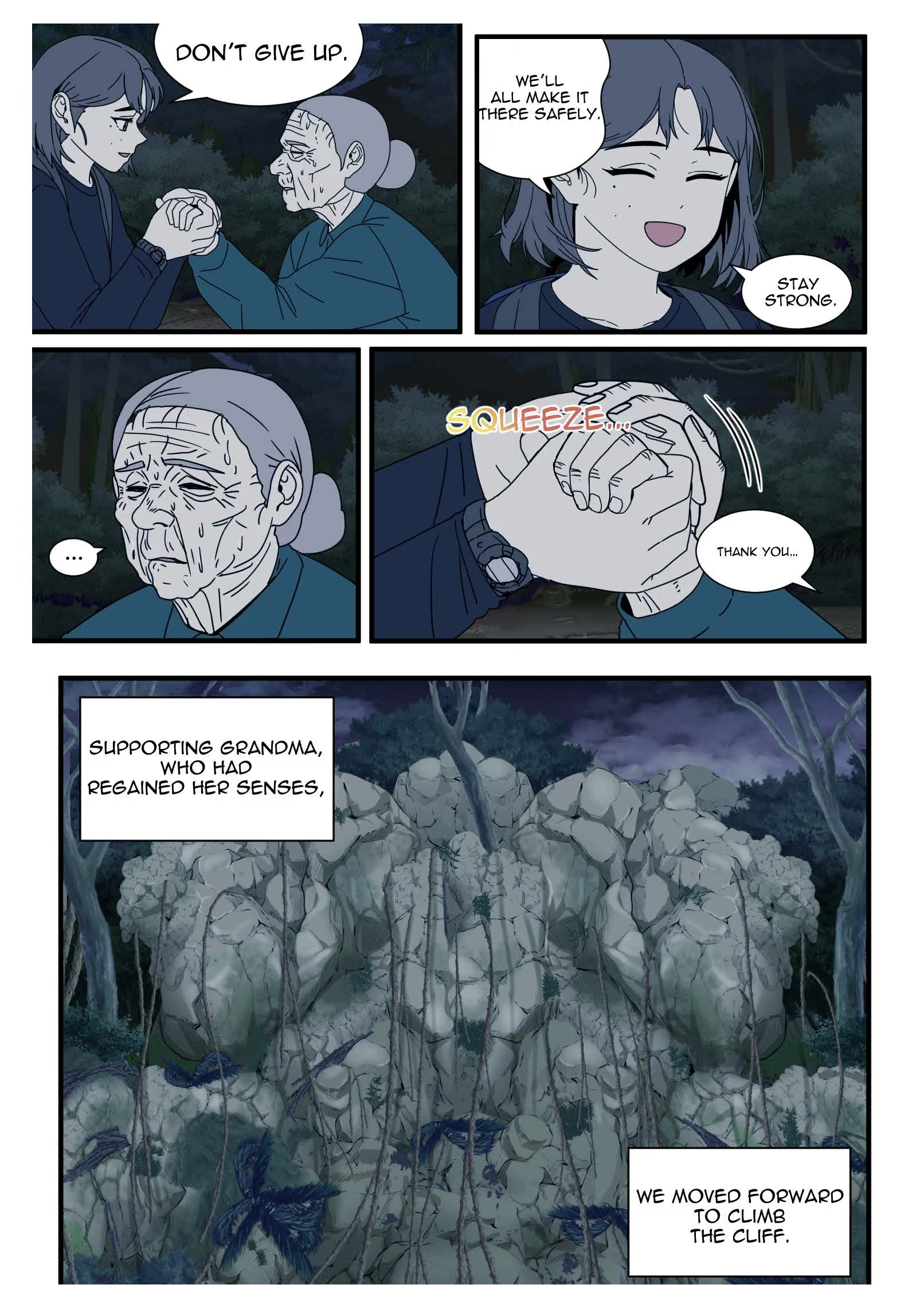
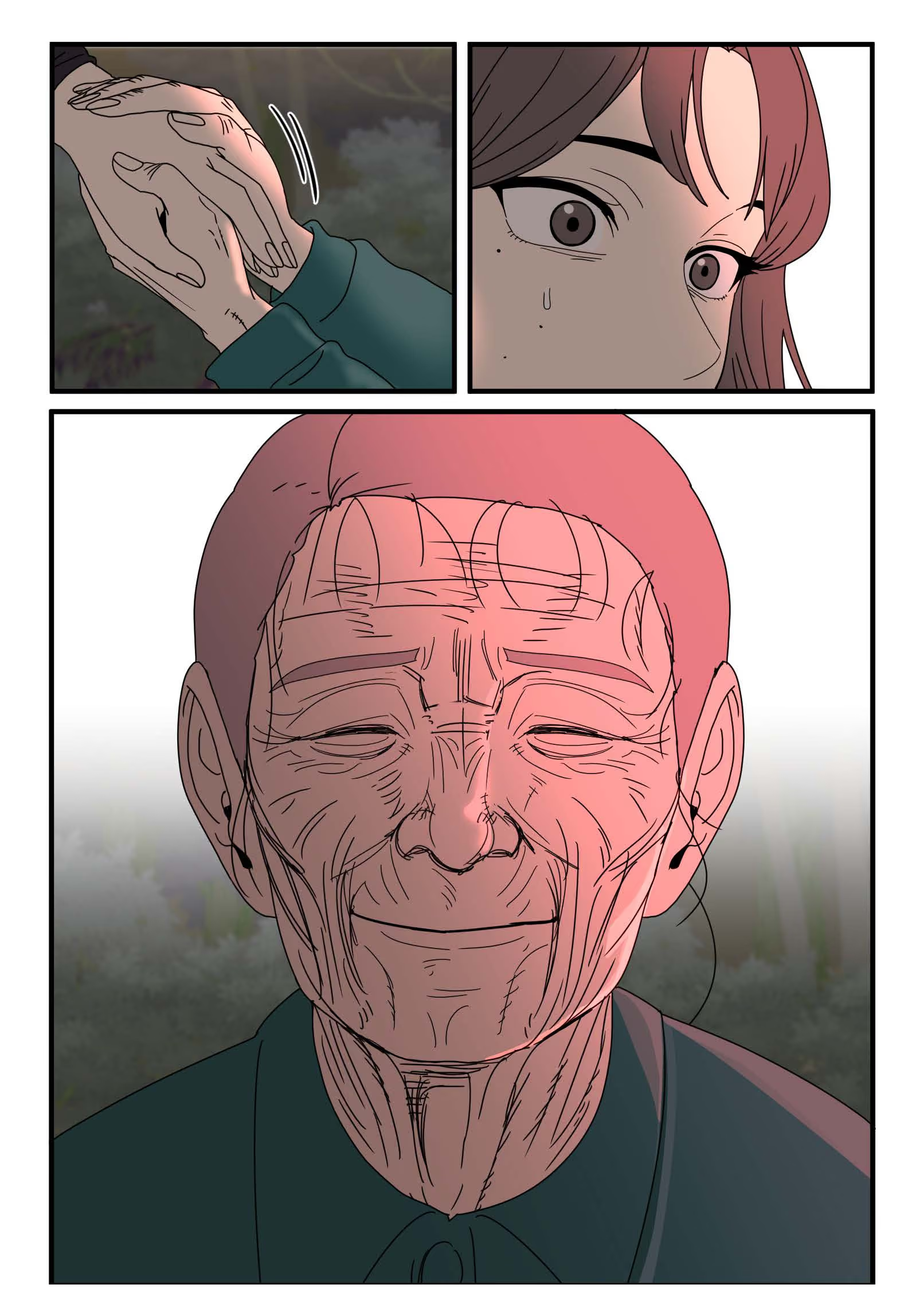
This webtoon, created by North Korean escapee Ju Ok Jeon, reflects the real risks many North Koreans face when fleeing their home in search of safety, dignity, and the chance to live freely.








About the Artist
Ju Ok Jeon is a North Korean defector who escaped in 2013. Having lived under the Kim Jong Un regime in an oppressed land, she conveys—through webtoons and comics—how precious the values of freedom and dignity truly are, with both sincerity and storytelling power.
Support Ju Ok’s work: @unistudio_juok
From Artist to Activist
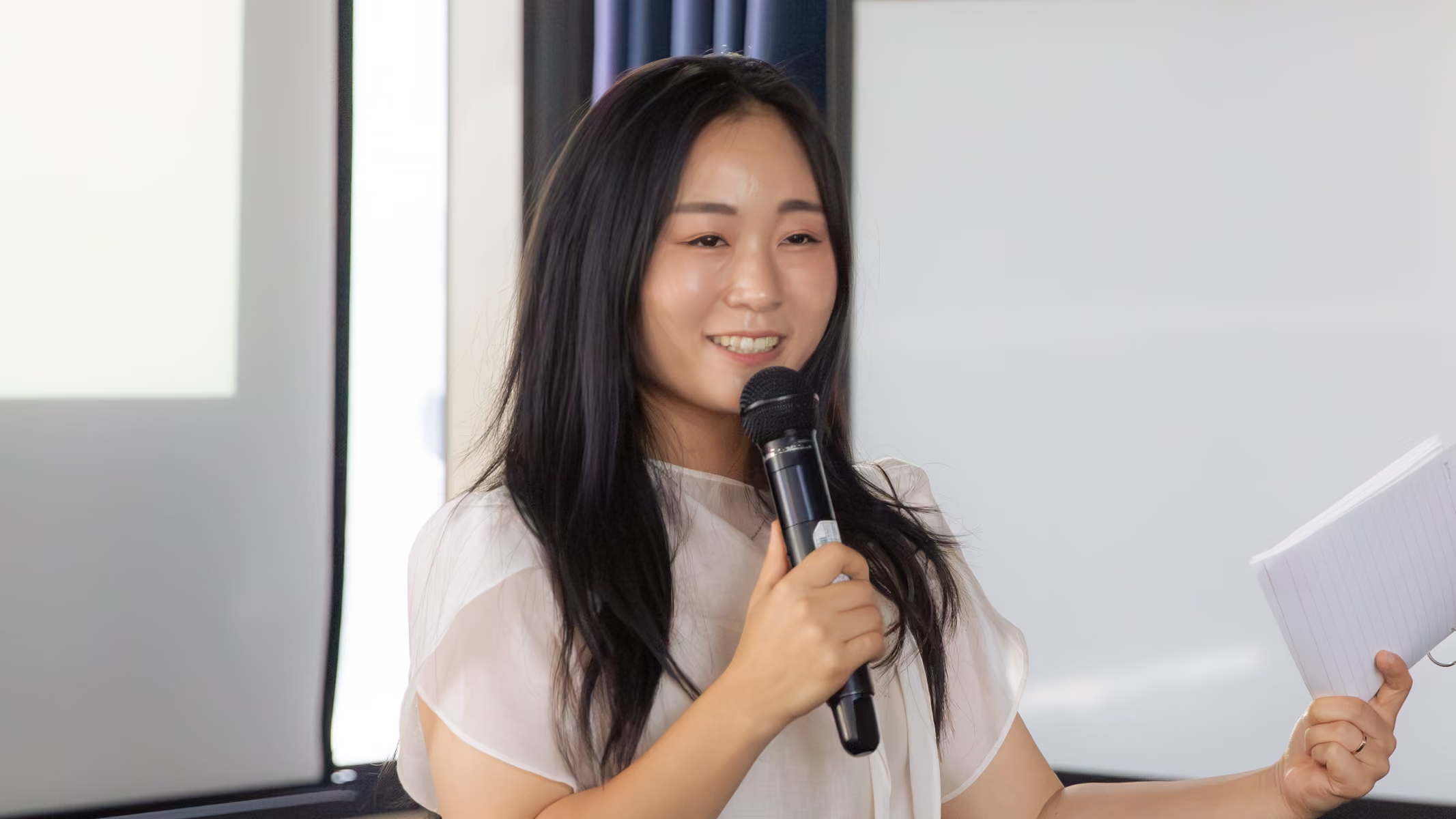
As a kid in North Korea, Ju Ok was famous at school for one thing—drawing portraits of people passing gas. Her classmates flocked to her, asking to be drawn in exchange for snacks and even small amounts of money. Nothing made Ju Ok happier than to see people’s faces light up with a big smile, and to laugh together over her creations.
But things came to a halt when a teacher pulled her aside for “disrupting the school environment” with her “unrevolutionary” drawings. Ju Ok’s art supplies were confiscated, and she was warned that her parents could be punished for failing to educate their children.
“I vowed to never draw again because my simple drawings could bring harm to my family. But no matter how hard I studied or worked, opportunities were limited because my family belonged to the labor class. After a relative defected, my social classification [songbun] fell, leaving me destined for a life of forced labor. Realizing there was no hope or future, I decided to escape.”
In freedom, Ju Ok found that there was a lack of public understanding and empathy about North Korean human rights. A few years ago, her husband, who is also an artist, encouraged her to try drawing again.
“After being severely scolded as a child, I hated anything related to drawing. But when my husband told me I have talent, I got chills—thinking, ‘Did I actually used to like this?’
Through illustration, I want to share the reality of North Korea I experienced, my journey toward freedom, and my resettlement in a free society—so the world can hear the voices of those who still long for freedom inside North Korea.”
Ju Ok hopes her art will reach more people and increase support for this issue. In 2025, she participated in the LiNK English Speech Program to hone her storytelling and English speaking abilities.
“The North Korean issue is not only a domestic matter on the Korean Peninsula but also a complex international issue. That is why it is vital to raise awareness globally—and for North Korean defectors to share their stories directly in English. LiNK’s program has played an important role in helping me move toward my life goals.”
Reimagining North Korea’s Future
Liberty in North Korea helps North Koreans reach freedom and reach their full potential through programs that build their capacity to succeed and lead change. With the right support and tools, they’re sharing their stories, utilizing their talents, and building their careers with unwavering purpose—to create a future where every North Korean person can live free and full lives.
Invest in the next generation of North Korean advocates, storytellers, changemakers, and entrepreneurs, like Ju Ok.
Give Today
A North Korean Refugee’s Legacy of Freedom | Holly & Mia’s Story
As a little girl in North Korea, I dreamt of becoming a musician. When I was 6 years old, I saw my school teacher playing the organ. After class one day, I went up and placed my hands on the keys, trying to mimic what she played. When the teacher got back, she asked who touched the organ. All the kids looked at me and I thought I’d get in trouble, but instead of punishing me, she started teaching me how to read music. Eventually, my teacher came to my home and urged my parents to send me to Pyongyang, North Korea’s capital, to pursue music with some of the country’s best musicians.
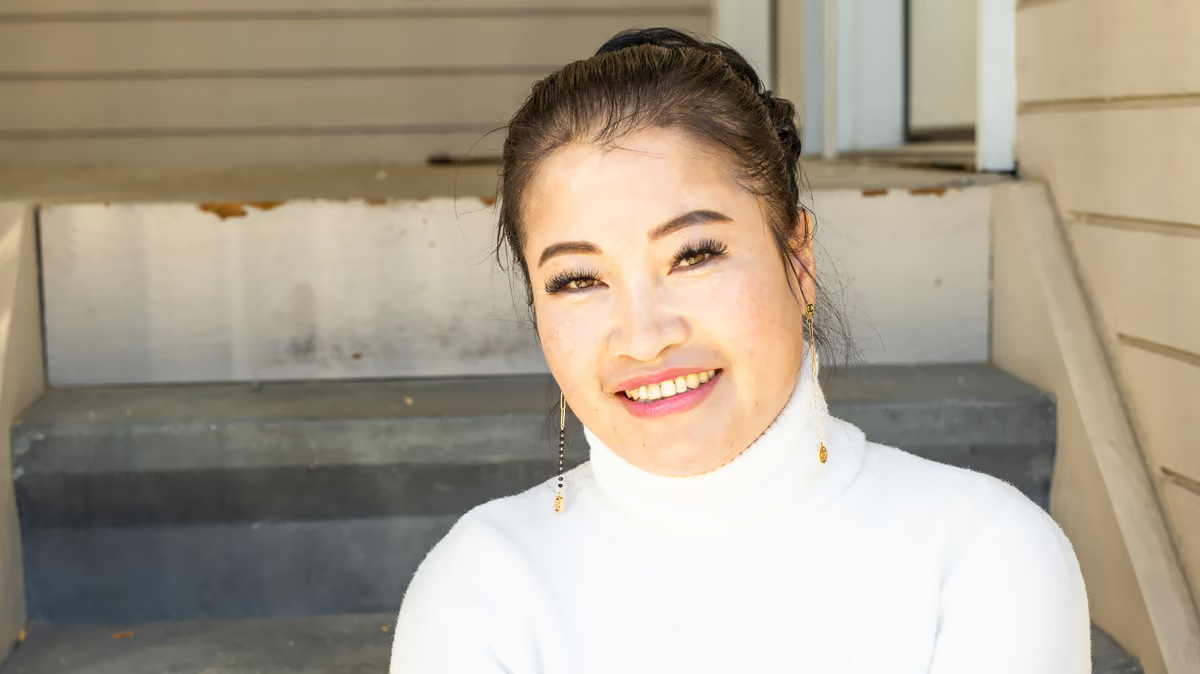
But my parents knew I could not achieve my dream. My grandfather had been a landowner before the North Korean regime took power. When the Korean War broke out, he had fled to the South, never to be heard from again. The regime didn’t forget my family’s past - to them, we were traitors. Before I was even born, my future had been decided.
I couldn’t attend a university or get a good job. While others studied, I would have to dig for coal and sell it.
One night, I was gathering firewood on a mountain near the South Korean border with another girl. In the distance, I saw a town that was dazzlingly bright in the dark evening. Electricity is a luxury in North Korea, and I soon realized I was looking across the border. I had secretly watched South Korean movies for years. I had seen the delicious food they ate and the amazing places they traveled. I stared at the lights and dreamed of what my life could be.
The dream was too powerful to ignore. I worked every day from sunrise to sunset to save money for my escape.
I gathered rare mushrooms on the slopes of North Korea’s tallest mountain, through the bitter cold. After sixty trips, I had enough money to hire a broker to help me escape into China.
But I trusted the wrong broker.
The broker betrayed us and sold us out. Soldiers were waiting for us at the meeting point and we were dragged from the river to an interrogation cell. The secret police want you to confess that you were trying to defect to South Korea. They beat you with a stick and slam your head against a wall until you just want the pain to stop. But if you confess, you’re sent to a political prison camp to die like an animal.
So I refused to say anything. They kept beating me and screaming at me, but I closed my eyes and held on to my dream of freedom. It was two weeks before they finally sent me to a detention center.
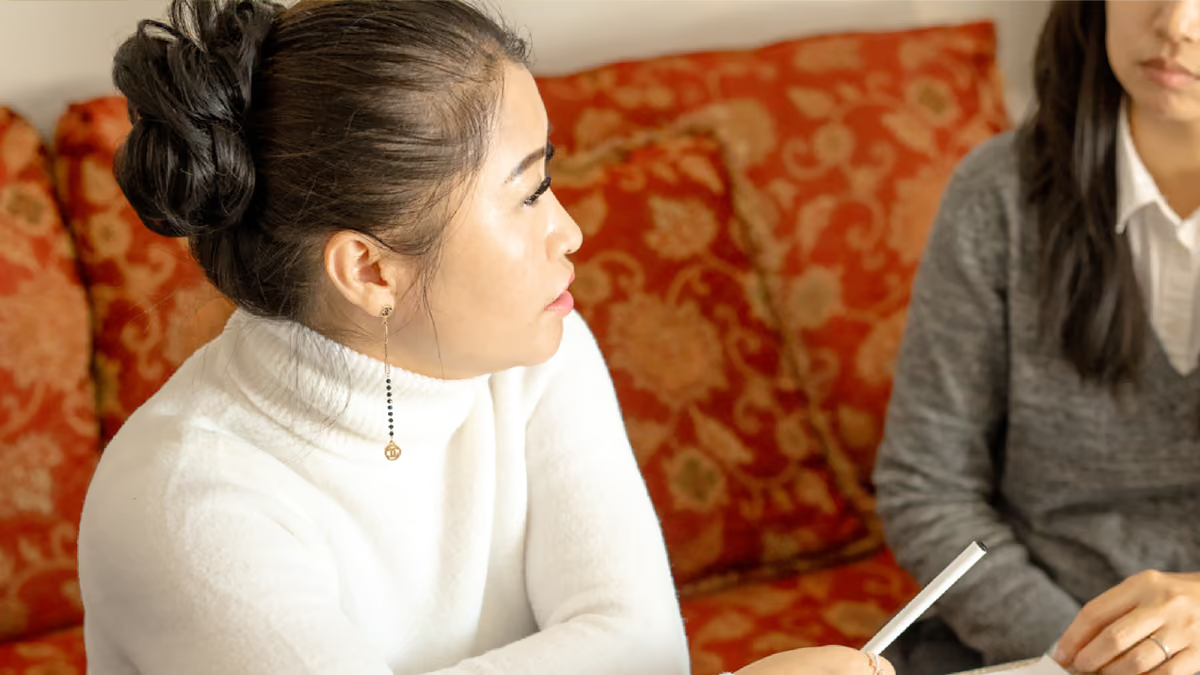
A woman in my cell told me about another broker who could help me escape. But there was a catch - I would have to be sold to a man in China.
I chose the unimaginable. I was sold for less than $3,000.
It is hard for me to talk about this time in my life. The man who bought me kept me in a small bedroom in his house. In one month, I was pregnant. When he found out, he told me to get an abortion. I refused. He tried to drug me and take me to get an abortion while I was unconscious.
One night I felt sick and thought it was food poisoning, but I was in labor and rushed to the hospital. After twenty hours, the doctor had to perform an emergency c-section. The man who bought me complained about the extra expense.
But when I woke up, there was my beautiful baby. I put her on my chest and knew she was my everything. My new dream was to give my daughter Mia a chance to have a better life than me.
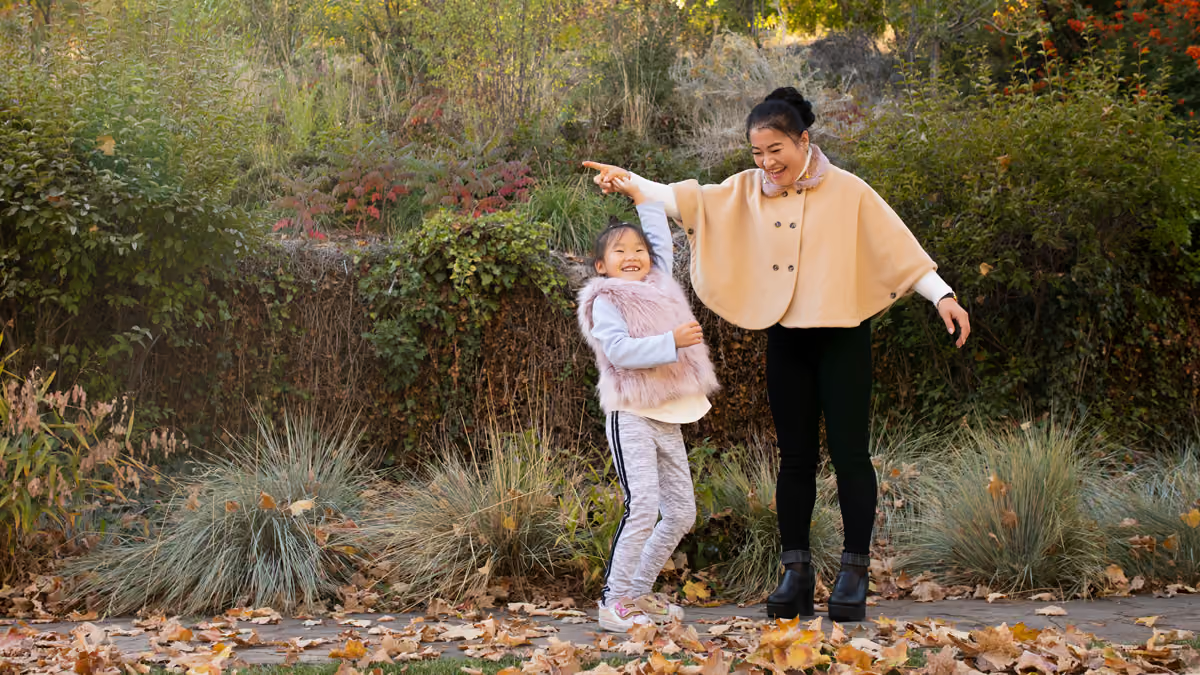
I knew we couldn’t stay in China. The man who bought me didn’t want a child, and every day we stayed was another day we could get caught. But I couldn’t take a newborn baby on the dangerous journey. I waited until Mia was one year old, making secret plans with someone who could help us escape - now I know they were part of LiNK’s rescue network.
The day of our escape finally came, and we went to a safe house. I had Mia on my back and a bag full of diapers, clothes, and a small bracelet that was a gift for her. It was everything we had. We met up with other North Koreans, and they were not happy that Mia and I were joining them. I could not blame them. There were stories about groups that were caught because of a crying baby.
Taking care of a one year old is hard enough. Doing so while avoiding the Chinese police was one of the hardest things I have ever done.
I didn’t want Mia to cry so I never put her down, even when my back and arms ached from rocking her. We never stopped for more than a few hours so I had to breastfeed her along the way. Whenever we did have a break, I’d change her diapers, clean her, and make sure she ate enough. By the time I was done, we had to move again. I didn’t have time to eat so I went days with barely any food.
But every mile we traveled brought us closer to our new life. One hot morning, we climbed into a boat and crossed a river. With Mia in my arms, we were met by LiNK’s field team who welcomed us into freedom.
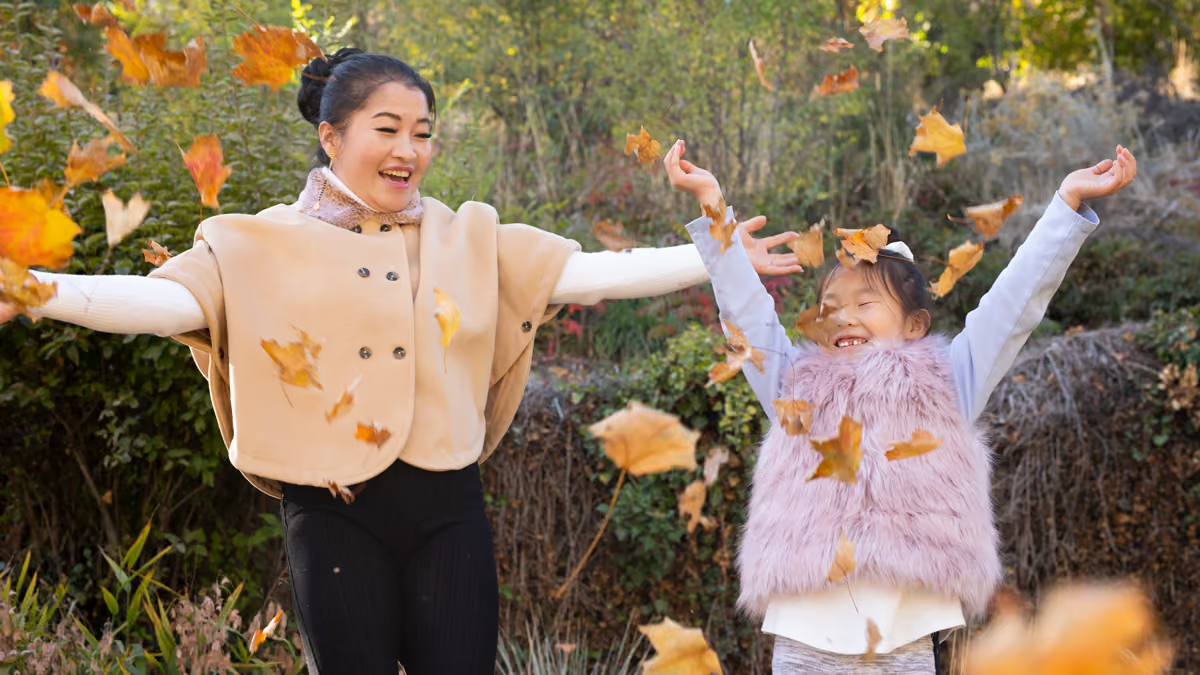
There are two days I will never forget. The day Mia was born and the day I arrived in the United States. I cried so much walking out of the airport. I had no idea what our new life would look like, but we were together and we were finally free.
Now when Mia falls asleep in my arms, all I feel is happiness. My story used to only be about my dreams, but now, I am watching my daughter grow into a fearless and curious person. If I never decided to escape and if I didn’t have LiNK’s help, Mia’s life would be so different. Instead of growing hungry, she has a full stomach. Instead of learning North Korean propaganda, she’s learning about science and animals and the world. Instead of fearing we could be sent to a political prison camp, I just worry she’s growing up too soon.
I believe that one day, every North Korean will be free. And every child will be able to write their own story, like my Mia.
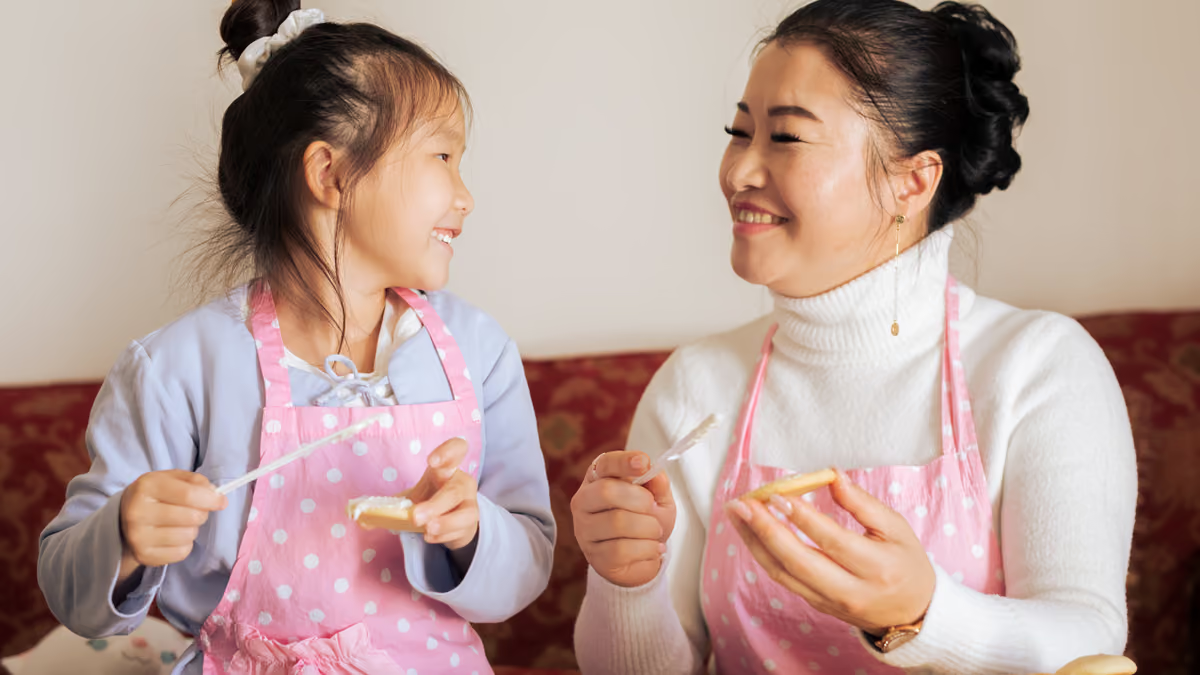
Thanks to Holly’s bravery and the help of LiNK supporters around the world, Mia will never know a life without freedom. Holly will be leaving behind a legacy of freedom for her daughter and for generations to come.
You can help rescue more North Korean refugees and support them as they begin their new lives.










