Women’s History Month: Honoring the Bravery of North Korean Women
By: Jennifer Kim
Jennifer* is Liberty in North Korea’s Field Manager. Over the years, she’s carefully stewarded our secret rescue routes and helped countless North Korean refugees reach safety and freedom.
Approximately 70% of North Korean defectors are women. Throughout their journey, they face unimaginable challenges, including human trafficking, confinement, and sexual violence.
For Women’s History Month this year, we asked Jennifer to share her experiences supporting North Korean women who have made the brave decision to escape, and bring light to the stories of real people behind the numbers and statistics.
A Transformative First Mission
When I first began this line of work, I was filled with both excitement and anxiety. “Will I be able to connect well with these people?” “Will the field be too dangerous?” Even in my position as a staff member, there were times when the situations we encountered felt riskier because I was a woman.
On my first mission, the group we brought to safety were all women. From their small requests, like asking for sanitary pads, to moments where they cautiously shared their harrowing experiences of human trafficking in China, I found that we could connect on a deeper level because I was also a woman. I realized my role wasn’t just to be a staff member, but to stand by these people as they needed me, as a fellow woman. From then on, the fear I had initially felt about this work transformed into conviction.
North Korean Women At the Forefront of Resistance and Survival
After meeting many North Korean women defectors, I’ve come to learn that there are unique challenges and experiences that only they face. Women in North Korea are not as restricted to job assignments as men, so they’re the ones actively engaged in informal economic activities. They’re running their own black-market businesses and trading smuggled goods, shifting economic power from the regime into the hands of the ordinary people.
Women also make up the majority of North Korean defectors at over 70%. In freedom, they’re leading advocacy efforts and raising awareness for this issue.
I've come to think that perhaps women in North Korean society were the first and most desperate to stand up in resistance.
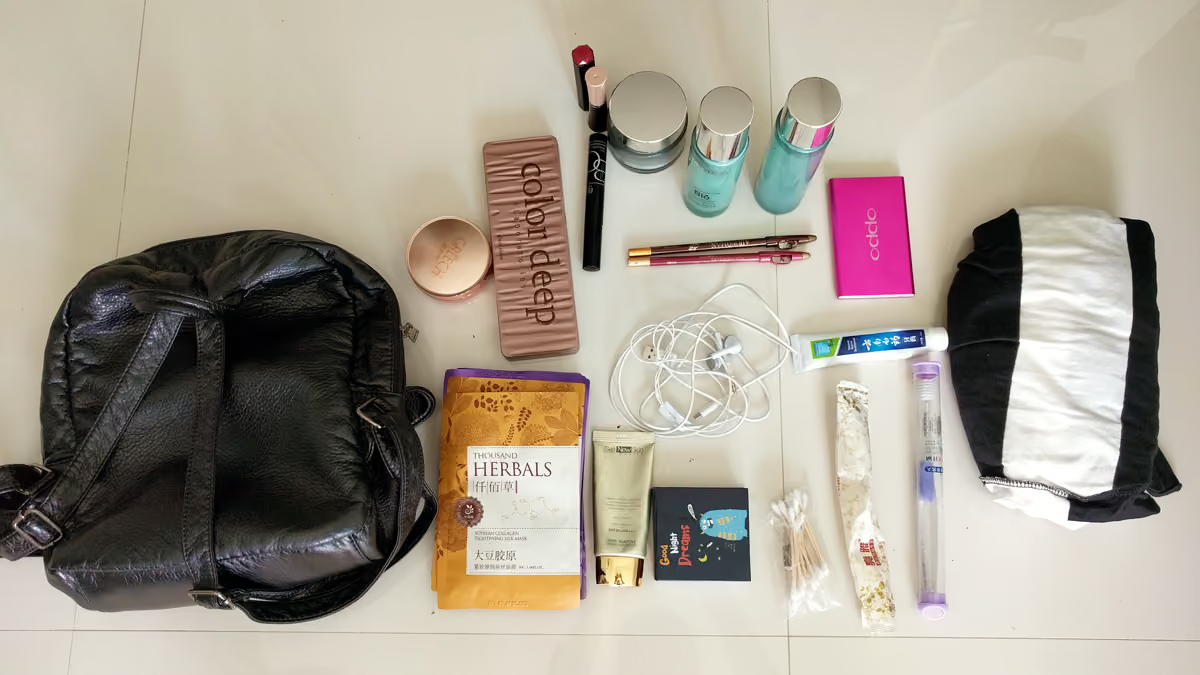
At the same time, the reality is that women are more vulnerable to gender violence and crime. The moment they cross the North Korean border and set foot on Chinese soil, their precarious legal status and the fact that they are women become risk factors that can lead to human trafficking, sexual exploitation, and forced prostitution. If these dangerous situations lead to pregnancy and childbirth, women often remain in China for years, even decades, weighed down by the conflicting emotions of their longing for freedom and their maternal instincts.
All of the women I met during my first rescue mission were survivors of being trafficked into forced marriages. While there are some cases where these women meet kind families and live in a relatively less dangerous environment, most have to endure difficult lives. One woman who we rescued in 2024 said that in the early stages of her life in China, she was confined and tied up in a single room by the man who bought her. Others had to do forced labor in one of China’s many factories.
Not a News Story, But a Person’s Story
About ten years ago, I watched a video of a woman my age testifying about the hardships and sexual violence she experienced during her defection from North Korea. As a South Korean, I couldn't believe that such things were happening just across the border. Shocked and ashamed of my indifference, I cried for a long time, then resolved to do something.
North Korea used to be something I only saw and heard about through a TV screen. Now those distant news stories have become the personal experiences of the North Korean mothers and friends I’ve met in the field.
At first, I simply wanted to help as best I could. But as time went on and I met more North Koreans, my perspective gradually changed. Now, I feel like I'm not so much ‘helping’ as I am meeting incredible superwomen who have overcome tremendous adversity.
My role is to constantly remind them of their resilience and potential, so they don't forget it themselves.
“This is My First Time Being Treated Like a Queen”
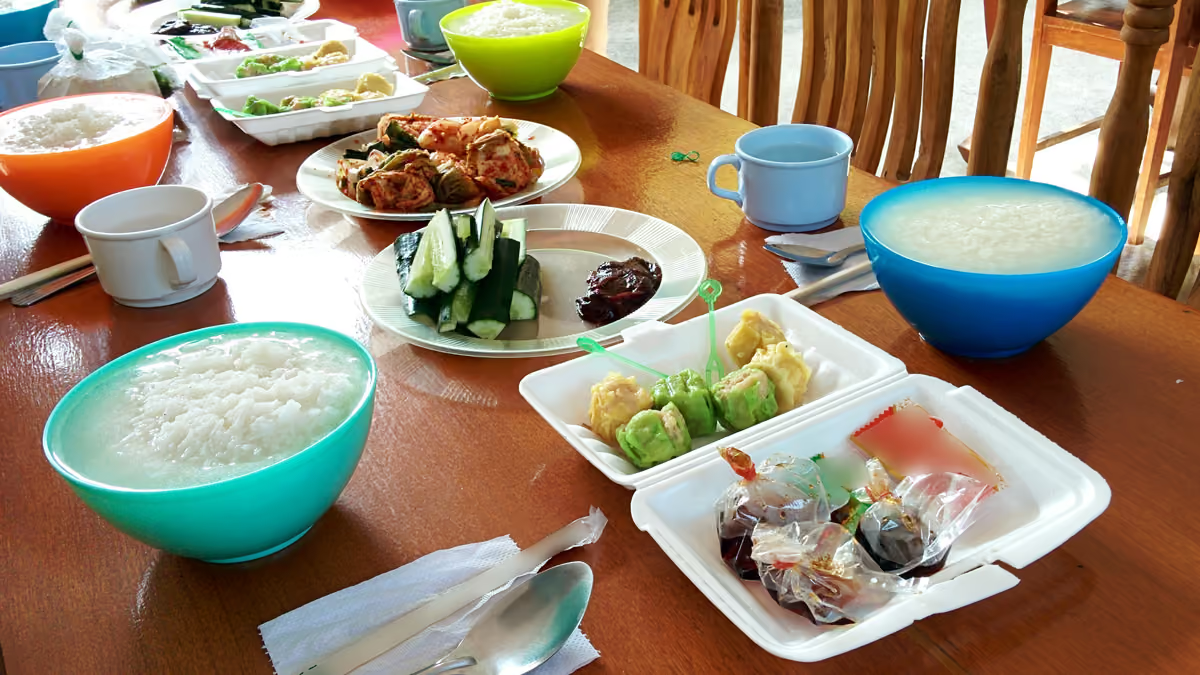
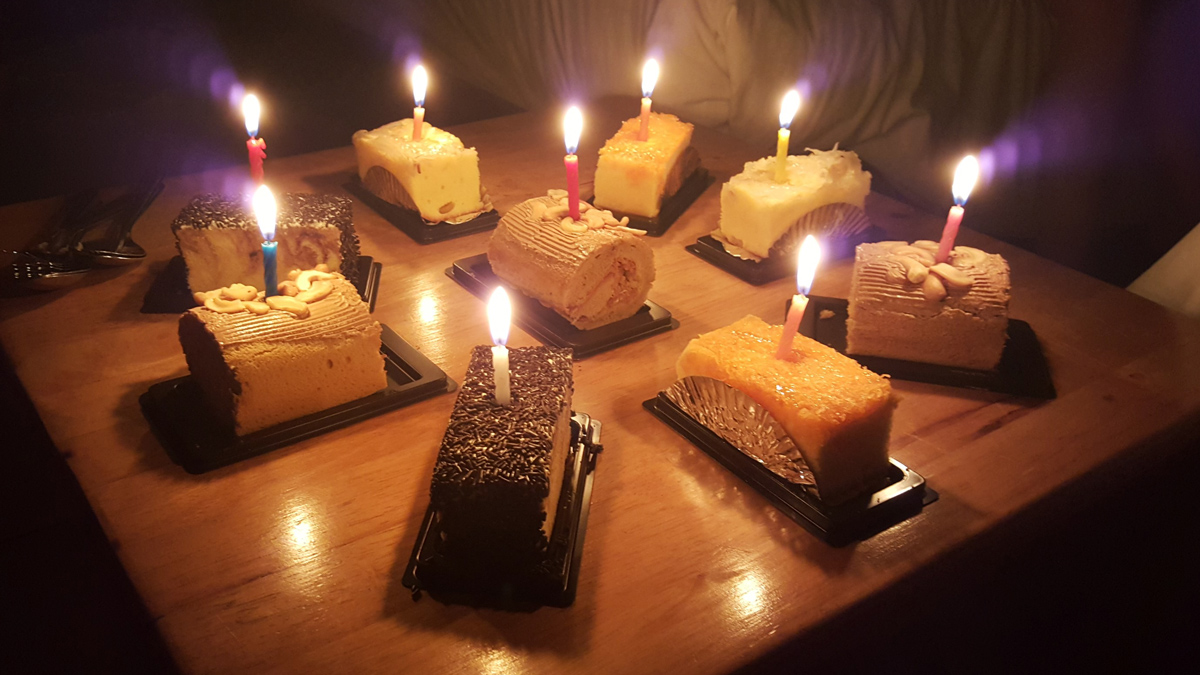
After a successful mission, our team ensures our newly arrived North Korean friends have a proper meal, get some rest, and receive basic necessities. On one occasion, one woman told me, “This is the first time in my life that I have been treated like a queen.”
She had just reached freedom after ten years in a forced marriage to a Chinese man. Her words resonated with me deeply. I realized once again that our work isn't simply about helping people achieve physical freedom; it's about restoring a person's forgotten dignity.
That woman has since resettled in South Korea and runs a small shop. She’s continued to stay in contact with LiNK, sharing updates about her life. One day, she shyly announced her marriage. She’s starting a new chapter with a person she chose and wanted.
Walking Together In Solidarity
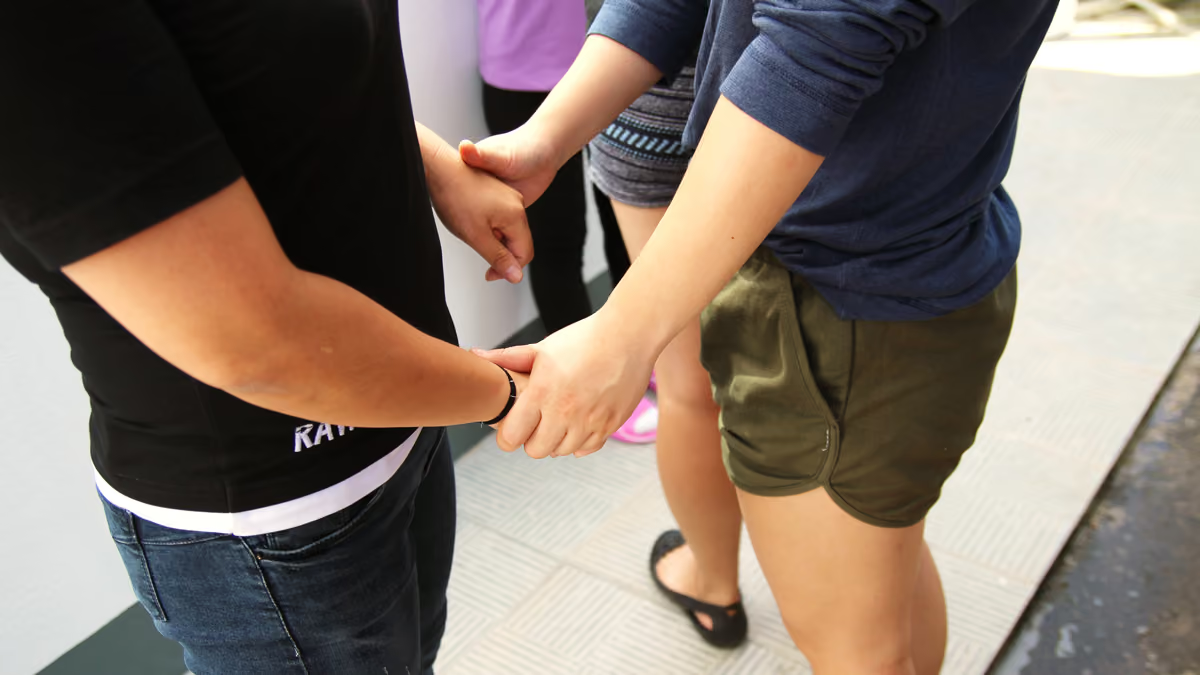
Through the friendships I’ve made and stories I’ve witnessed in the field, my connection to this issue has deepened over time. These women aren’t just “nameless” North Koreans, but people like us, living their daily lives; someone’s daughter, sister, or mother. I didn’t set out to do this work for over a decade. But day by day, hearing each story, meeting each person, and holding their hands has naturally led me down this path.
Listen to their stories, and I believe that you too will encounter a heart for the North Korean people.
– Jennifer Kim, LiNK Field Manager
*Jennifer is a pseudonym used to protect our field manager’s identity and avoid compromising this work.

Help North Koreans Win Their Freedom
From inside the country to on the global stage, North Korean women are driving change on this issue. Driven by necessity, desire to care for their loved ones, and aspirations to forge their own path in this world, their pursuit of freedom is both intentional and instinctive.
Liberty in North Korea doesn't just extend a helping hand to North Korean refugees—we’re cultivating the next generation of North Korean leaders, entrepreneurs, and advocates, and doing this work alongside them.
Become a monthly donor today at $20 per month to help more North Koreans reach safety and gain full authorship of their lives in freedom.
Give Monthly
I Escaped at 6 Years Old. Am I Really North Korean?
By Sean
Sean is a participant of LiNK’s Intensive English Program (LIEP), designed to build the capacity of North Korean English speakers at the intermediate level. In partnership with the British Council, LIEP aims to cultivate participants’ communication and critical thinking skills in English. LIEP is complementary to our broader LiNK English Language Program (LELP), which supports speakers of all proficiency levels.
From Fear to My Spear
Growing up, I was a very timid boy who avoided anything that made me uncomfortable. I never raised my hand in class because I was too embarrassed to speak in front of people. Just the thought of everyone looking at me made me freeze.
One time in elementary school, every student had to sing in front of the class for a music assignment. I was extremely nervous, not only because I hated standing on stage, but also because I was afraid people would laugh at my terrible singing. It felt like a kind of phobia. I ended up crying and quietly went back to my seat.
But as I grew older, things started to change.
In early 2021, I began playing the electric guitar. At first, I practiced by myself, but after a while I wanted to play with others and do something more meaningful with music. I heard that my church band was looking for a guitarist, so I asked the band leader if I could join—very unusual for someone like me, who had never wanted to be on stage before. To be honest, I wasn’t even good enough to play during a live service. But the band leader still let me join.
I made plenty of mistakes every week. Every Sunday, I was always nervous before going on stage. But this time, I didn’t run away from fear. I knew I wouldn’t grow if I kept avoiding challenges. I realized that achieving goals often comes with pain and discomfort.
Over time, I got better at guitar and became more comfortable performing in front of people. Now, I feel totally fine being in front of a crowd. That experience really changed me. Since then, I’ve tried to face challenges instead of avoiding them.
In the summer of 2023,I had the opportunity to go to England and help raise awareness about North Korea. A Christian organization invited me and some North Korean friends to speak to people in the UK about life in North Korea. My role was to translate their stories into English for the audience.
At one of the events, I was shocked by how many people were there. There were hundreds, maybe even thousands of chairs. I had never spoken in front of such a large crowd before and I had to speak in English, not my first language. I was terrified. But I reminded myself that this was another opportunity to grow. I didn’t back down. I did my job and didn’t give up. I continued translating for two weeks as we traveled across England, helping North Korean refugees share their stories.
There was another reason I had to translate. I didn’t have much of my own story to share. I was born in North Korea, but I left when I was six years old, so I don’t remember much. But during this trip, I learned a lot more about North Korea. I also saw that many people around the world truly care about what’s happening there and I realized that I care, too.
This was the first time I used my language skills for something meaningful. It was the first time I spoke, not just for myself, but for North Korea.
Growing up, I never really realized that I was from North Korea. My mother didn’t want me to interact with other North Korean kids, and I didn’t have any of the typical traits of a North Korean refugee. The way I spoke and behaved was completely South Korean. I spoke fluent South Korean, and I just lived like everyone else around me.
It wasn’t until late 2020 that I met North Korean students for the first time at an alternative school in Seoul. It was quite interesting to meet people who were born in the same place as me, but I felt different from them. Most of them had arrived in South Korea during their late teenage years. They spoke with a North Korean accent and shared detailed memories of their lives in the North. But I had nothing to share. I didn’t remember anything from North Korea. I felt like a South Korean kid surrounded by North Koreans. I couldn’t relate to their stories at all.
That’s when I started to question my identity. Am I South Korean or North Korean?
But after my experience in the UK, I can now say with confidence that I am both. I am North and South Korean.
One meaningful moment was when I shared my mother’s story---how she escaped North Korea and survived in China. She had told me this story many times, but saying it out loud myself was very different. I could feel it more deeply. It wasn’t just something I had heard anymore, it became something I carried. I realized more clearly that I am from North Korea and that my mother went through many hardships. Telling the story helped me feel more connected to my background. North Korea started to feel closer, more real, and more personal.
Now, more than anything, I want to study and learn more about North Korea. The world needs to be aware of what is happening in the North. With increasing attention and focus from the outside, we will be able to take the first step toward unification. Even if unification doesn’t happen, it could lead to the opening of borders.
Since I speak both French and English, I have come to realize that I am able to use my language skills to let the world know about North Korea. I’ve already overcome my fear of speaking on stage. That fear used to hold me back, but not anymore. Now, I feel that I need to get ready to speak up for North Korea and help the world understand its people and stories.
I’ve lived as a South Korean and connected deeply with North Koreans. I understand both sides in a way that not many people can. That’s why I believe I can become a bridge between the two Koreas.
As I continue to grow, I will keep improving my language skills and keep learning so that one day, I can stand on the global stage and speak for the people of North Korea. I want to be someone who helps the world see them not as strangers, but as part of one family.
-
Opportunities like LiNK’s Intensive English Program (LIEP) are helping North Koreans find their voice, reach their goals, and lead change on this issue. Your support can help us continue to make an impact in the lives of North Korean refugees, like Sean.